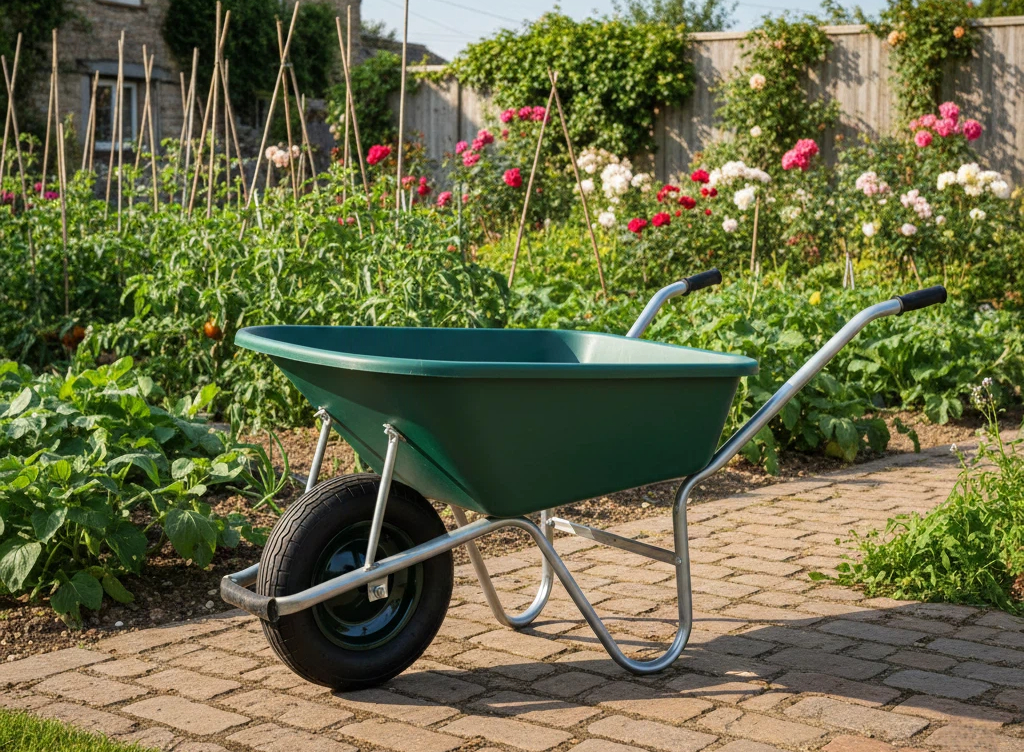

When you hear “wheelbarrow,” you likely picture a heavy-duty construction tool. But the mini wheelbarrow has carved out its own unique niche in the world of gardening and home decor. Whether you are looking for a charming rustic planter, a functional tool for a small patio garden, or the perfect pint-sized helper for your child, the mini wheelbarrow is surprisingly versatile.
This guide explores the many faces of the mini wheelbarrow, offering inspiration and practical advice to help you find exactly what you need.
What is a Mini Wheelbarrow?
A mini wheelbarrow isn’t just one thing. In the current market, this term generally categorizes three distinct types of products, each serving a specific “intent”—a key factor in making the right purchase decision.
- Decorative Planters: Usually made of wood or rustic metal, these are stationary items designed to hold flowers and add farmhouse charm to a garden or porch.
- Kids’ Wheelbarrows: Functional but scaled-down versions of the real thing, designed to help children learn gardening skills and motor coordination.
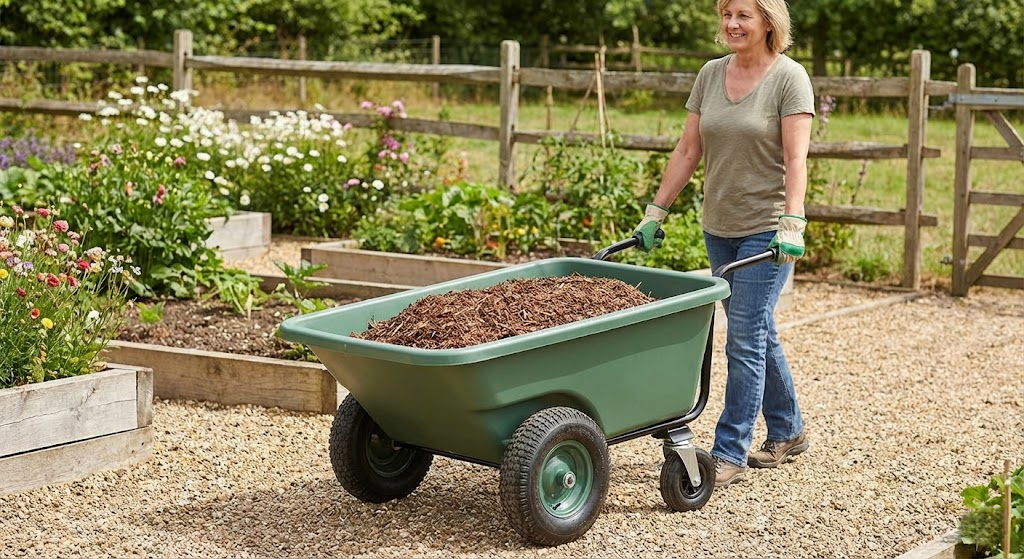
- Compact Garden Carts: Fully functional, lightweight tools (often foldable or smaller than 4 cubic feet) designed for urban gardeners with limited storage space.
1. The Decorative Mini Wheelbarrow: A Garden Centerpiece
If your search for a mini wheelbarrow is driven by aesthetics, you are likely looking for a planter. These are incredibly popular in “cottage core” and farmhouse-style landscaping.
Why Use a Wheelbarrow Planter?
- Elevation: They raise plants off the ground, protecting them from some pests and providing better drainage.
- Portability: Even decorative ones often have working wheels, allowing you to chase the sun or move your display when entertaining.
- Seasonal Versatility: Fill them with tulips in spring, petunias in summer, pumpkins in fall, and evergreen boughs in winter.
Popular Styles:
- Rustic Wood: often built with a burnt-wood finish or raw cedar that grays over time.
- Vintage Metal: Smaller, antique-style metal barrows that offer a “shabby chic” look.
2. The Kids’ Wheelbarrow: Raising Little Gardeners
For parents and grandparents, a mini wheelbarrow is more than a toy; it is an educational tool. “Transactional” data suggests this is one of the highest-volume categories for this keyword, especially during spring and before the holidays.
What to Look For:
- Material: Poly (Plastic) is best for toddlers (ages 2-4) as it is lightweight and rust-proof. Metal is better for older kids (ages 5+) who want to actually help move mulch or soil.
- Safety: Look for rolled edges on metal trays to prevent cuts, and ensure the handles have rubber grips.
- Stability: A double-wheel design (two wheels at the front) is vastly superior for young children, as it prevents the tipping frustration common with single-wheel barrows.
3. Compact Functional Barrows: The Urban Gardener’s Friend
Not everyone has a sprawling estate. For those with townhouses, patios, or small raised beds, a full-sized 6-cubic-foot contractor wheelbarrow is overkill and impossible to store.
The Rise of the Foldable Cart
The modern solution is the foldable mini wheelbarrow. These typically feature a canvas or nylon hopper rather than a solid tray.
- Pros: They fold flat to hang on a garage wall; they are incredibly lightweight.
- Cons: They cannot hold liquids or sharp rocks (which might tear the fabric).
These are ideal for moving bags of potting soil, weeds, and deadheaded flowers without breaking your back.
Buying Guide: How to Choose the Right Mini Wheelbarrow
To ensure you get the best value, check these specifications before clicking “buy.”
1. Check the Dimensions
The word “mini” is subjective. Always check the L x W x H measurements.
- Warning: Many buyers unintentionally purchase a table-top ornament sized for a fairy garden when they wanted a porch planter. If the length is under 15 inches, it’s likely for a tabletop.
2. Weight Capacity
- Decorative: Irrelevant, as long as it holds potting soil.
- Kids: Look for a 20-50 lb capacity.
- Functional: Look for at least a 150 lb capacity if you plan to move soil or rocks.
3. Wheel Type
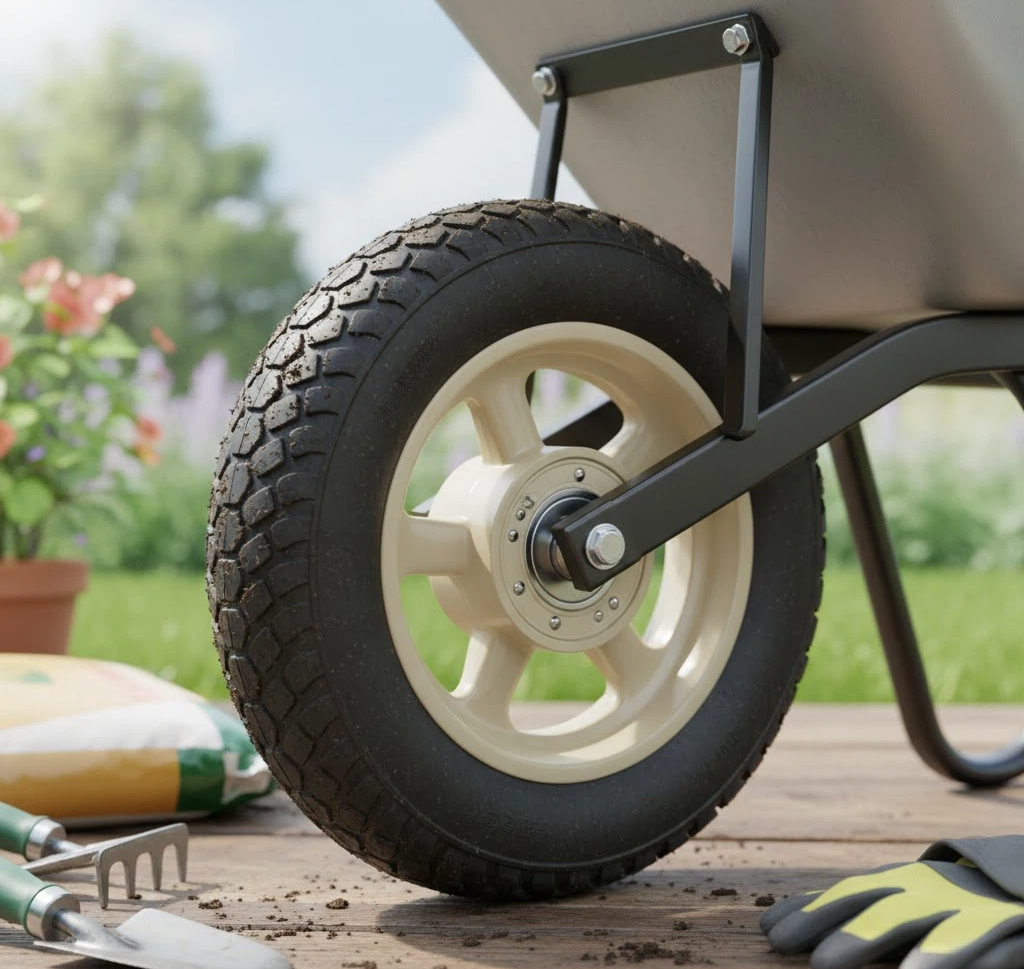
- Solid/Plastic Wheels: Fine for toys and planters. Maintenance-free but bumpy.
- Pneumatic (Air-filled) Tires: Rare on minis, but offering the smoothest ride for functional carts.
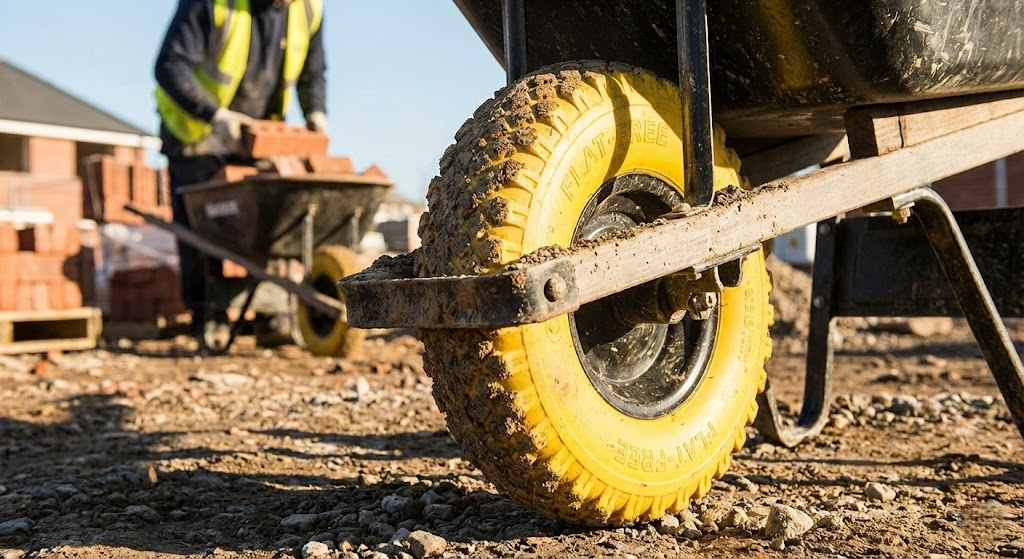
- Flat-Free Foam: The gold standard for functional garden carts—no popping, but plenty of bounce.
Popular Products & Trends
Based on current market trends, these are the top contenders in the mini wheelbarrow category:
- The “Wagon” Hybrid: Many modern mini wheelbarrows are actually 4-wheeled dump carts. These are easier to pull than push and are becoming the preferred choice for seniors or those with mobility issues.
- The DIY Kit: Wooden mini wheelbarrow kits are trending. These come flat-packed with pre-cut timber, allowing you to build and paint your own planter as a weekend project.
- The “Fairy Garden” Micro Barrow: Extremely small (3-4 inches), used strictly for terrariums and dollhouses.
People Also Ask (FAQ)
Q: Can I leave a wooden mini wheelbarrow outside all year? A: Most decorative wooden wheelbarrows are treated, but they will degrade. To extend their life, line the inside with plastic before adding soil and apply a coat of outdoor polyurethane sealant annually.
Q: What is the best wheelbarrow for a 3-year-old? A: A poly (plastic) tray wheelbarrow with two front wheels is best. It provides stability so the child doesn’t get frustrated by it tipping over constantly.
Q: Can a mini wheelbarrow carry concrete? A: Generally, no. Most mini or foldable wheelbarrows are designed for light garden debris (leaves, weeds, mulch). Heavy loads like concrete or stone require a steel tray and a reinforced frame.
Q: How do I plant flowers in a wheelbarrow? A: If the wheelbarrow is watertight (metal or plastic), you must drill drainage holes in the bottom. Without drainage, the roots will rot. Alternatively, keep the plants in their nursery pots and simply place them inside the wheelbarrow for an easier cleanup.
Q: Are foldable wheelbarrows durable? A: High-quality models with canvas hoppers are surprisingly tough and can last for years if stored out of direct UV sunlight when not in use. However, they are not suitable for carrying sharp debris like thorns or broken tile.