
Mixing concrete by hand is a fundamental skill for any homeowner or DIY enthusiast. Whether you are setting a fence post, pouring a small slab, or anchoring a mailbox, you don’t always need a power mixer. For medium-sized jobs (typically under 80 lbs or 1-2 bags), mixing concrete in a wheelbarrow is the most efficient and cost-effective method.
This guide covers everything you need to know to get the perfect consistency every time, including the tools you need, the correct water-to-mix ratio, and professional cleanup tips.
Tools and Materials You Will Need
Before you crack open a bag, ensure you have the right equipment. Mixing concrete is time-sensitive; once the water hits the mix, the clock starts ticking.
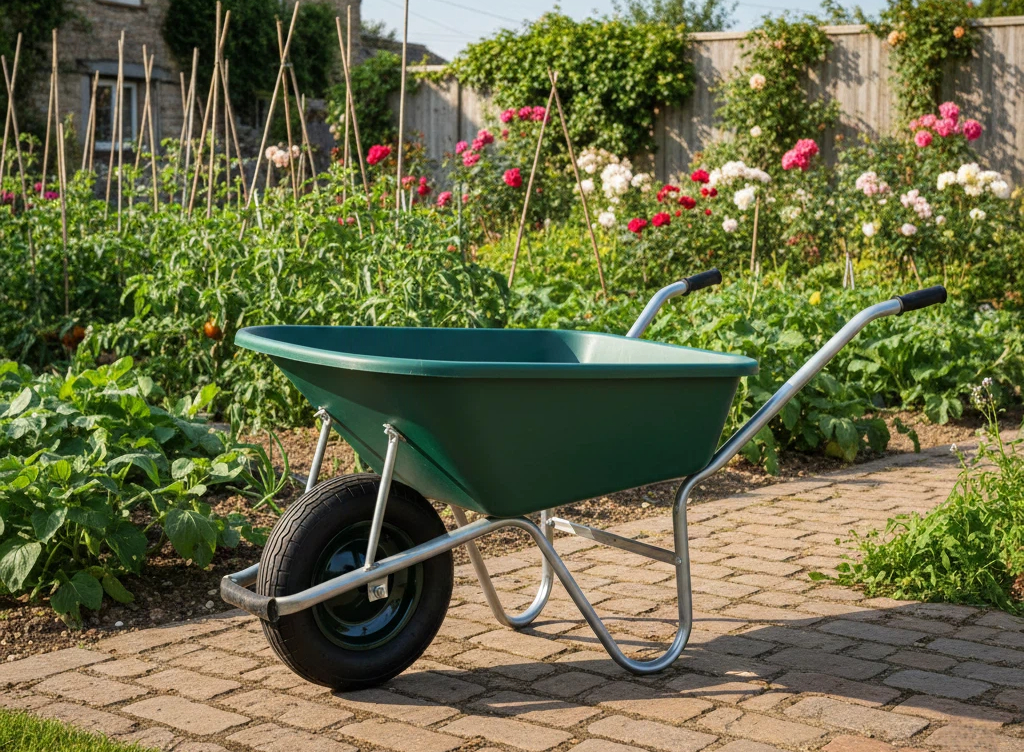
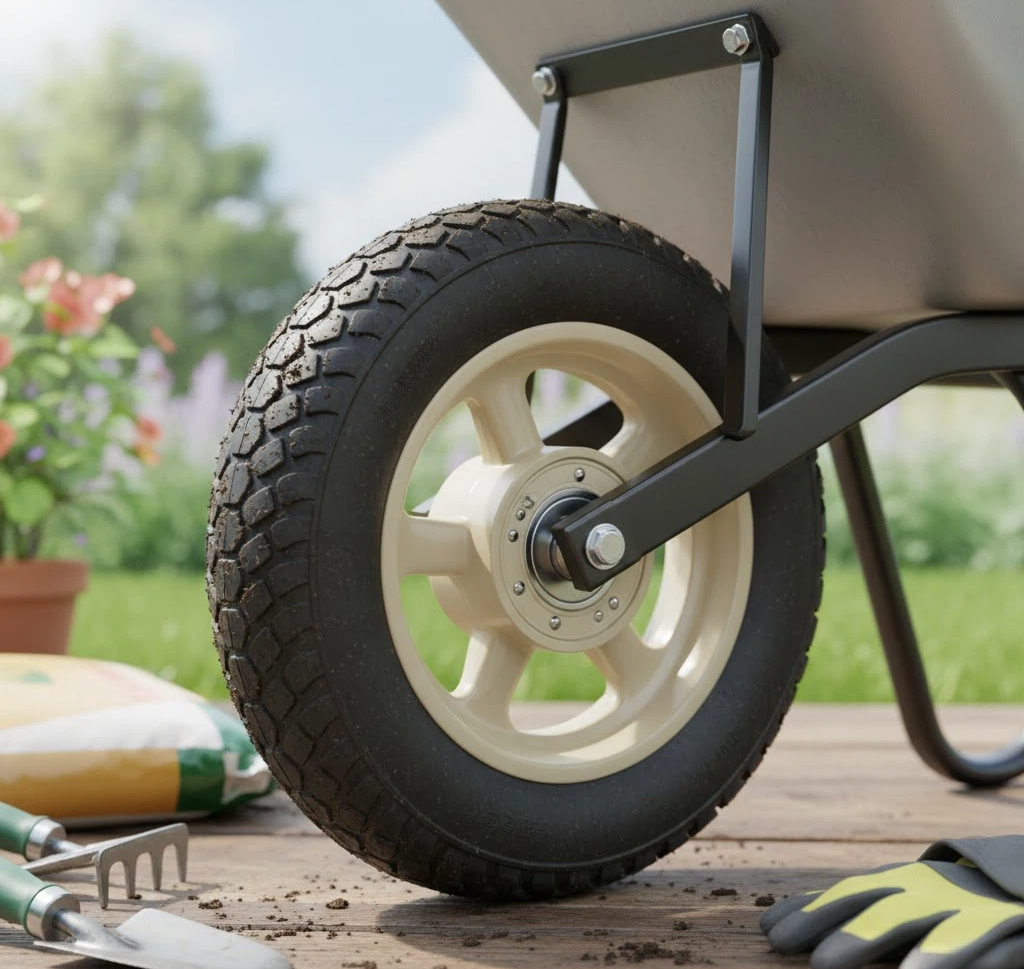
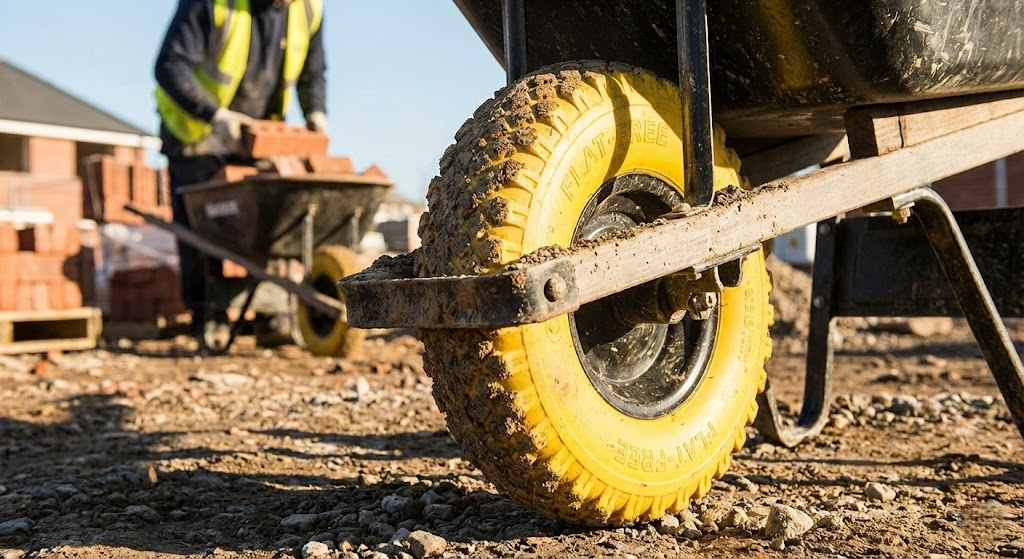
- Wheelbarrow: Ensure it is clean and the tire is inflated. A steel tray is easier to clean than plastic, but either works.
- Mixing Tool: A mortar hoe (which has holes in the blade to let material pass through) is the best tool for the job. If you don’t have one, a flat-edged shovel is a solid alternative.
- Measuring Bucket: For precise water measurement.
- PPE (Personal Protective Equipment): Concrete is caustic. Always wear rubber gloves, safety glasses, and a particulate mask (N95) to avoid inhaling silica dust.
- Concrete Mix: Standard pre-mixed bags (60lb or 80lb).
- Water Source: A hose with a spray nozzle or a large bucket.
Step 1: Safety and Prep
Concrete dust contains silica, which is hazardous to your lungs, and wet concrete can cause severe chemical burns on exposed skin.
- Put on your mask, safety glasses, and waterproof gloves.
- Place the wheelbarrow on a flat, stable surface.
- Double-check the instructions on your concrete bag for the specific water requirements (usually around 2.5 to 3.5 quarts per 80lb bag).
Step 2: Add the Concrete Mix
There is a trick to getting the bag into the wheelbarrow without creating a massive dust cloud:
- Place the bag in the center of the wheelbarrow.
- Use the blade of your shovel or hoe to slice the bag open across the middle.
- Lift the bag from the center and pull the halves apart, allowing the mix to slide out gently.
- Remove the paper bag and shake off excess dust into the barrow (do not beat the bag against the side, or you will release dust into the air).
Step 3: Create a Well
Use your hoe or shovel to push the dry mix toward the sides of the wheelbarrow, creating a “crater” or “well” in the center. This technique, similar to baking with flour and eggs, ensures the water stays contained and mixes evenly.
Step 4: Add Water Gradually
The Golden Rule: You can always add water, but you can’t take it out.
- Pour about ¾ of the recommended water amount directly into the center well.
- Do not dump all the water in at once. If the mix becomes too soupy, it loses structural integrity (strength).
Step 5: The Mixing Process
This is the physical part.
- Pull and Fold: If using a hoe, reach over the pile, hook the mix from the bottom, and pull it toward you into the water.
- Chop: Use the blade to chop into the mix to break up dry clumps.
- Repeat: Push the wet mix back and pull dry material from the sides into the center.
- Scrape the Bottom: Ensure no dry powder is hiding at the very bottom of the wheelbarrow.
Step 6: Check the Consistency
After mixing for about 2–3 minutes, check the texture.
- Too Dry: The mix crumbles and won’t stick together. Add water in small amounts (cup by cup) and keep mixing.
- Too Wet: The mix is runny, splashes easily, and won’t hold a shape. (Solution: Add a few scoops of dry concrete mix to stiffen it up).
- Just Right: The concrete should look like thick oatmeal or peanut butter. If you slice it with a shovel, the sides should stand up and hold their shape. When you grab a handful (with gloves!), it should form a ball without dripping water.
Step 7: Pour and Cleanup
Once the mix is ready, use it immediately.
- Wheel the barrow to your project site.
- Scoop or tilt the barrow to pour.
- Immediate Cleanup: This is critical. As soon as the concrete is out, use a garden hose to rinse the wheelbarrow and tools. Scrub any residue with a stiff brush. If concrete hardens on your tools, it becomes extremely difficult to remove.
People Also Ask (FAQs)
Can I mix 2 bags of concrete in a wheelbarrow at once? Yes, a standard 6-cubic-foot wheelbarrow can handle two 80lb bags of concrete. However, this makes the mixing process significantly heavier and harder on your back. For beginners, mixing one bag at a time is recommended to ensure a thorough mix.
Is it better to mix concrete in a wheelbarrow or a bucket? For amounts less than 40 lbs, a 5-gallon bucket and a drill with a mixing paddle works best. For full bags (60–80 lbs), a wheelbarrow is superior because it gives you room to move the material around and chop up dry pockets.
What happens if I add too much water to the concrete? Adding too much water dilutes the cement paste, which weakens the cured concrete. “Soupy” concrete is prone to cracking and shrinking. If you accidentally add too much water, you must add more dry mix to restore the correct ratio.
How long do I have to work with the concrete after mixing? Standard concrete mixes give you about 45 to 60 minutes of working time before they begin to set. On hot, sunny days, this time is reduced, so work quickly and keep the wheelbarrow in the shade if possible.