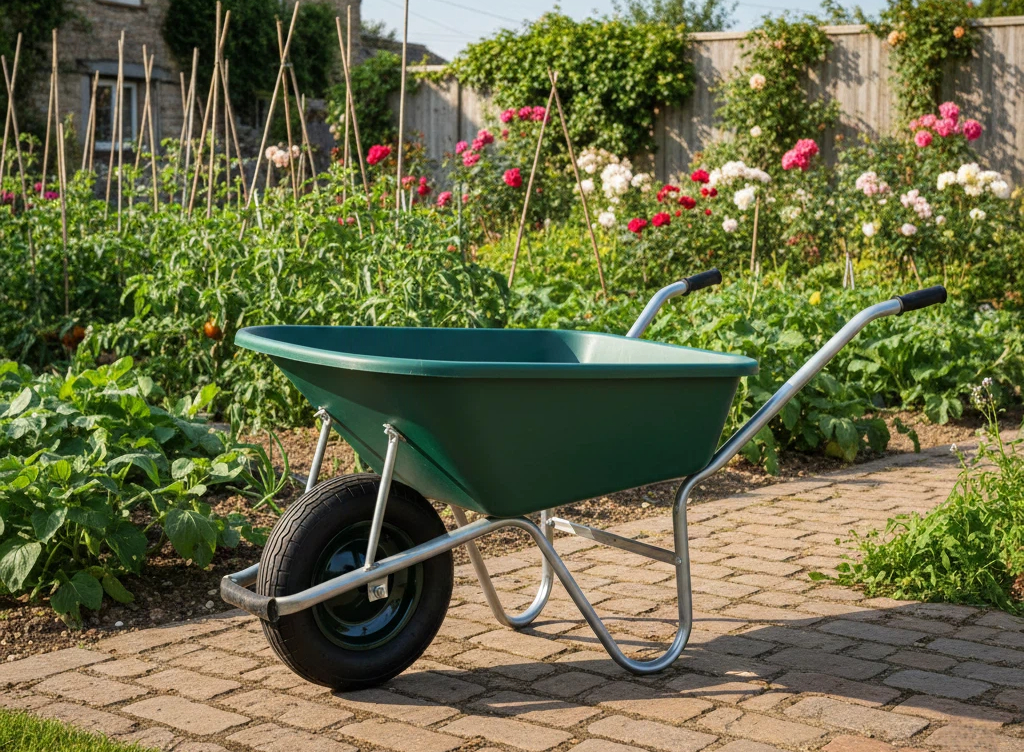

When you think of a wheelbarrow, you might picture the rusty, heavy steel beast your grandfather used to haul concrete. But modern gardening has evolved, and so has the equipment. Enter the plastic wheel barrow: a lightweight, rust-proof, and surprisingly tough alternative that is quickly becoming the go-to choice for homeowners and landscapers alike.
Whether you are mulching flower beds, hauling leaves, or moving compost, the right equipment makes the difference between a productive afternoon and a sore back. In this guide, we will explore why plastic wheelbarrows are taking over the market, how they stack up against steel, and what you need to know before buying one.
The Rise of the Plastic Wheel Barrow
The shift toward plastic (often high-density polyethylene or “poly”) isn’t just about cutting costs—it’s about usability. Traditional steel trays are excellent for heavy construction work, but they are overkill for 90% of residential tasks. Plastic wheelbarrows offer a unique set of benefits that solve common gardening headaches.
1. Lightweight Maneuverability
The most immediate difference is weight. A plastic tray weighs significantly less than a steel one. This means that when you are pushing the barrow empty, it requires almost no effort, and when it is full, you are spending your energy moving the payload, not the tool itself.
2. Rust and Corrosion Resistance
If you leave a steel wheelbarrow out in the rain or forget to clean out wet compost, you will eventually deal with rust. Plastic is impervious to weather. You can hose it out, leave it damp, or store it in a shed that isn’t perfectly dry without worrying about the bottom rotting out. This makes it ideal for mixing fertilizers or carrying manure, which can be corrosive to metal.
3. Impact Resistance
Modern poly trays are flexible. If you drop a heavy stone into a cheap metal tray, it dents. If you do the same to a high-quality plastic tray, it often flexes and bounces back. This “memory” material makes them surprisingly durable for everyday yard work.
Plastic vs. Steel: Which One Do You Need?
While we are singing the praises of plastic, it is important to know when to stick with the classic steel option. Here is a quick breakdown to help you decide.
| Feature | Plastic (Poly) Wheelbarrow | Steel Wheelbarrow |
| Weight | Lightweight (Easy to lift/dump) | Heavy (Stable but harder to push) |
| Durability | Rust-proof; can crack under extreme cold or weight | prone to rust; can dent but rarely cracks |
| Best For | Mulch, leaves, soil, compost, light gravel | Concrete, jagged rocks, bricks, heavy demolition |
| Maintenance | Low (Rinse and go) | Medium (Keep dry, paint scratches) |
| Noise | Quieter when loading | Loud/Clanging when loading |
The Verdict: If you are mixing concrete or hauling sharp boulders daily, stick to steel. For literally everything else—gardening, mucking stalls, and general yard cleanup—plastic is the superior choice.
Key Features to Look For When Buying
Not all plastic wheel barrows are created equal. The “Commercial” intent in search results highlights that buyers are looking for specific features. Here is what you should check before you checkout.
1. Tray Capacity (Cubic Feet)
Most standard wheelbarrows range from 4 to 6 cubic feet.
- 4 Cubic Feet: Great for small gardens and tight spaces.
- 6+ Cubic Feet: Ideal for larger yards. Remember, a bigger tray encourages you to fill it more, which can get heavy!
2. Wheel Configuration
- One Wheel: The classic design. It offers the best maneuverability for sharp turns and narrow paths but requires more balance from the user.
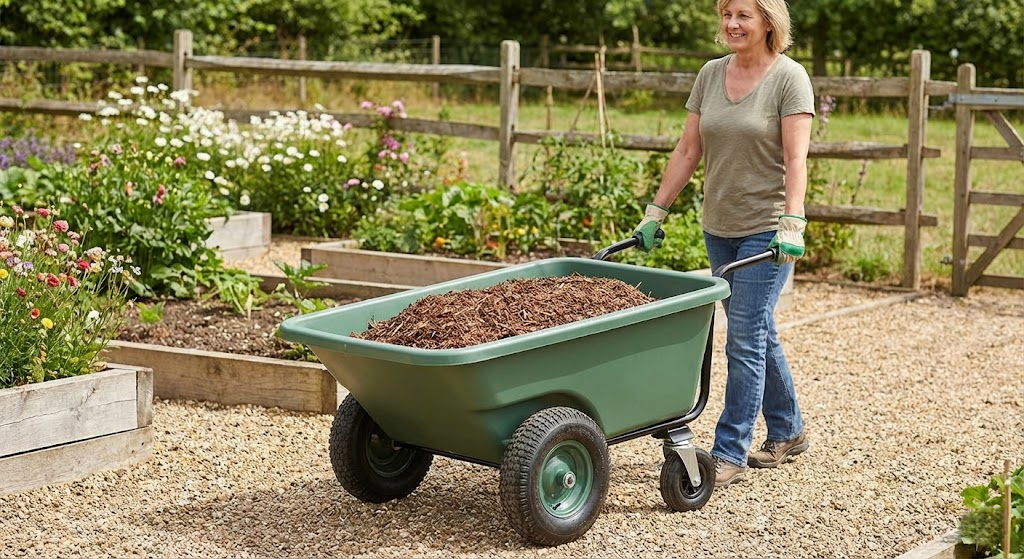
- Two Wheels: Often called a “garden cart” style. These are incredibly stable and won’t tip over, making them perfect for heavy loads or uneven terrain. However, they are harder to turn on a dime.
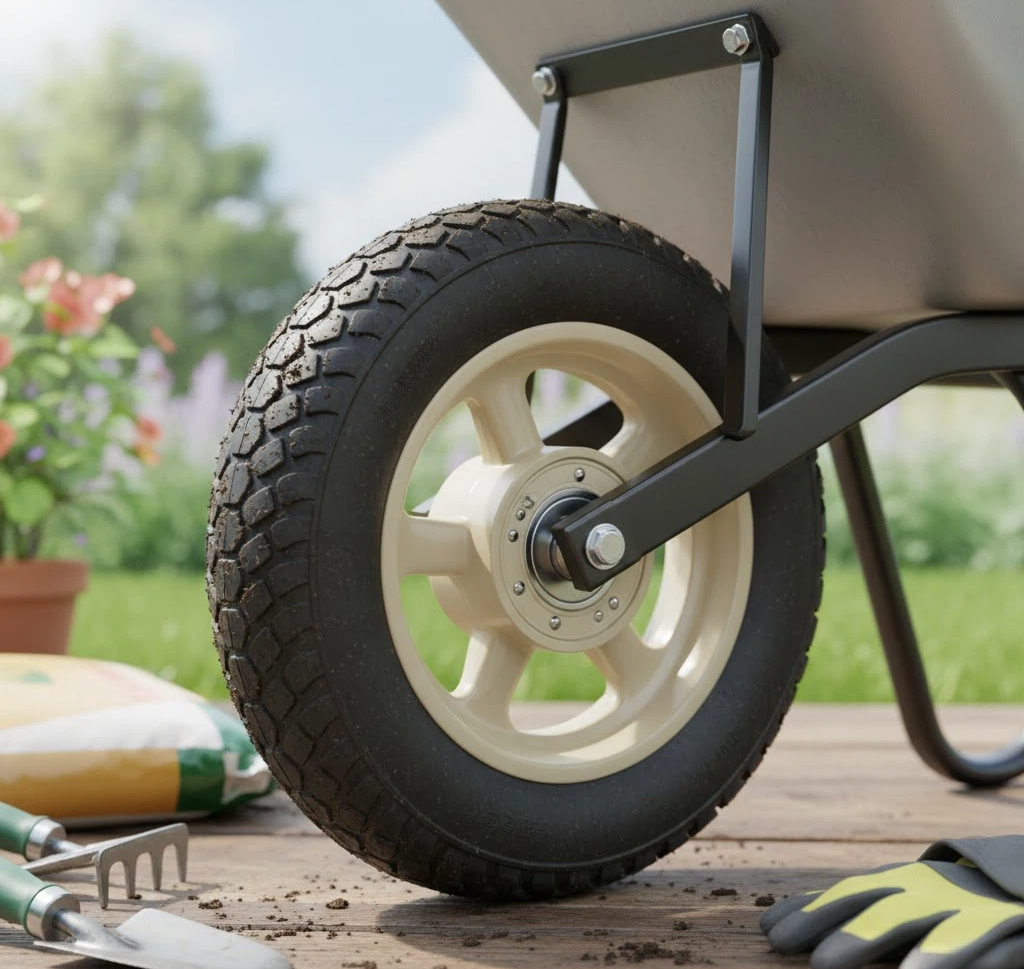
3. Tire Type
- Pneumatic (Air-Filled): Acts like a shock absorber, giving you a smooth ride over bumps and roots. The downside? They can go flat.
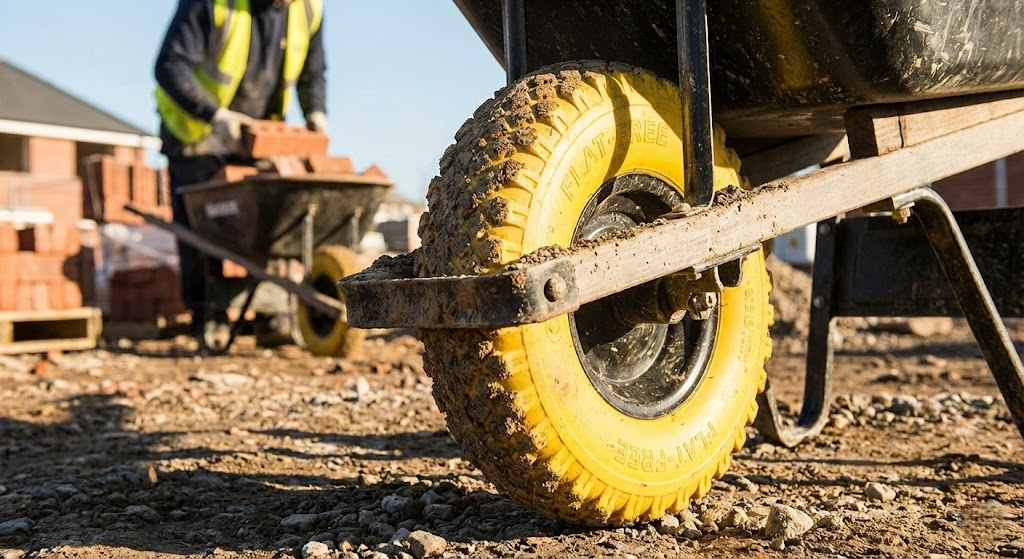
- Flat-Free (Solid Foam): You will never have to pump them up, but the ride is bumpier. For a low-maintenance gardener, these are often worth the trade-off.
Best Uses for Your Plastic Wheel Barrow
To get the most out of your investment, it helps to know where these tools shine.
- Mulching: The lightweight nature of plastic makes it easy to tip the barrow vertically to dump mulch precisely where you need it.
- Mucking Stalls: The resistance to animal waste acids makes poly trays the standard in equestrian settings.
- Mixing Soil: You can mix potting soil, peat moss, and amendments directly in the tray without worrying about scratching a paint coating that prevents rust.
Conclusion
The plastic wheel barrow has graduated from a “cheap alternative” to a serious tool for serious gardeners. By shedding the weight of steel and adding the durability of modern polymers, these tools make yard work faster, easier, and less tough on your body.
When you are ready to buy, look for a model with a thick, high-density tray and a wheel setup that matches your terrain. Your back will thank you next spring.