Introduction
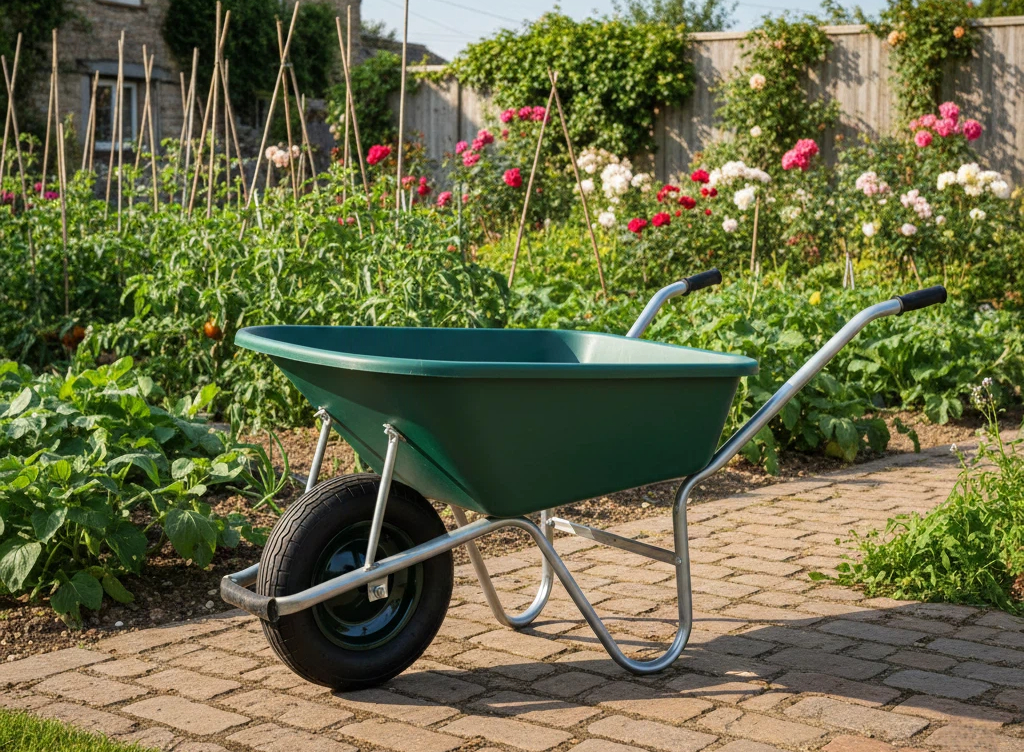
If you have ever wrestled with a traditional single-wheel barrow full of wet mulch, you know the struggle. One wrong step, a soft patch of ground, or a slight imbalance, and your entire load (and your back) is in jeopardy.
Enter the three-wheel barrow.
While the classic wheelbarrow has been a garden staple for centuries, the three-wheel design is rapidly gaining traction for a simple reason: it solves the tipping problem. Whether you are a professional landscaper or a weekend gardener, understanding the shift from one wheel to three can revolutionize how you work outdoors.
What is a Three-Wheel Barrow? (Informational)
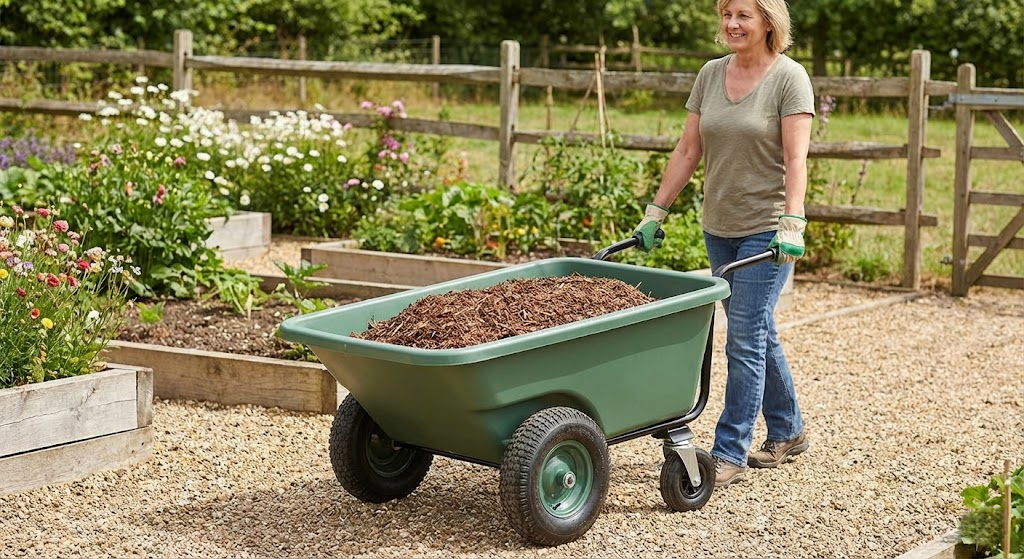
A three-wheel barrow effectively bridges the gap between a standard wheelbarrow and a heavy-duty garden cart. Unlike the single-wheel design which relies on the operator for 100% of the balance, a three-wheel barrow is self-stabilizing.
Typically, these units feature:
- Two front wheels: To bear the majority of the load and prevent side-to-side tipping.
- One rear wheel (often a swivel caster): To allow for zero-turn maneuverability and easy steering.
This design means the barrow supports the weight, not your arms. You simply push and steer, rather than lift and balance.
Why Make the Switch? Key Benefits
1. Zero Tipping Risk
The most significant advantage is stability. With three points of contact on the ground, you can load uneven heavy items—like rocks, firewood, or bags of concrete—without fear of the barrow toppling over.
2. Reduced Physical Strain
With a traditional barrow, you must lift the handles to move. This puts strain on your lower back and shoulders. A three-wheel barrow stays level on its own. You only need to exert force to push it forward, making it an excellent choice for seniors or anyone with back concerns.
3. One-Handed Operation
Because the unit balances itself, you don’t need a two-handed death grip on the handles. You can easily open a gate with one hand while pushing the barrow with the other.
Top Features to Look For (Transactional/Buying Guide)
If you are ready to upgrade, the market offers various options. Here is what you need to evaluate before clicking “buy.”
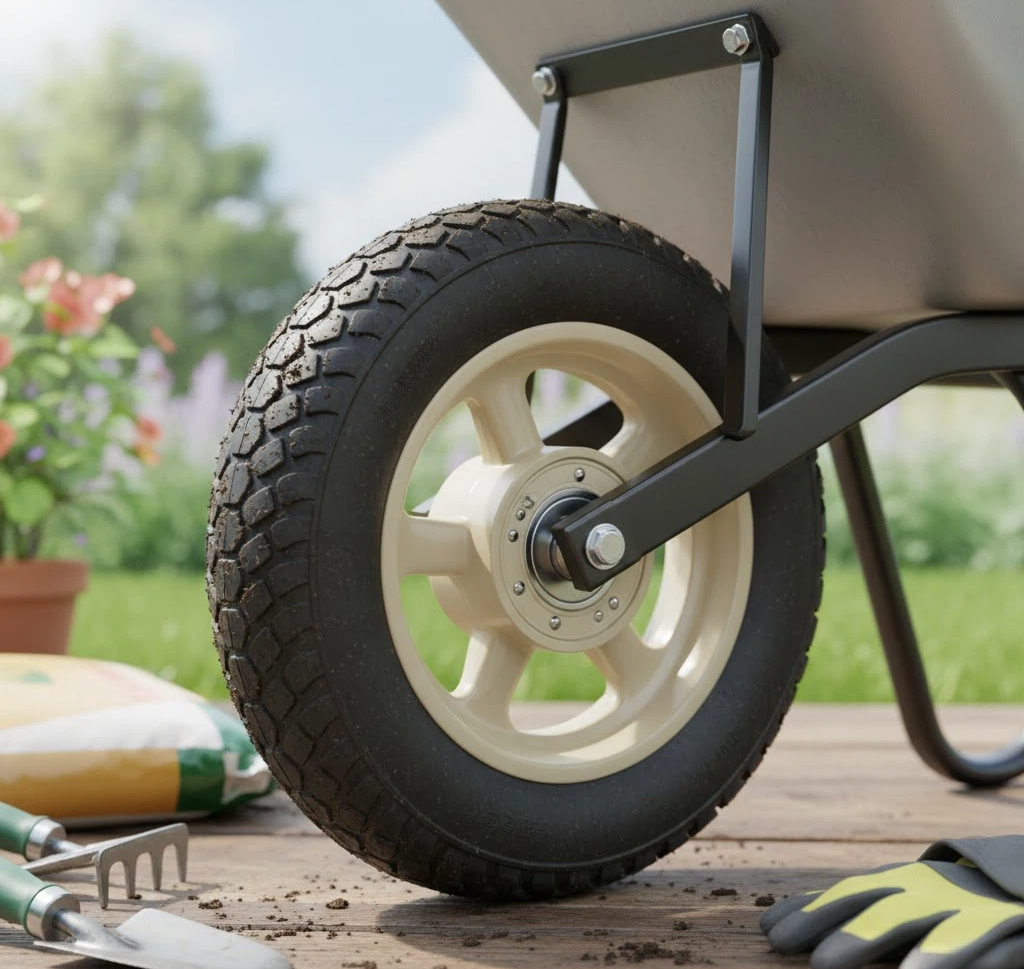
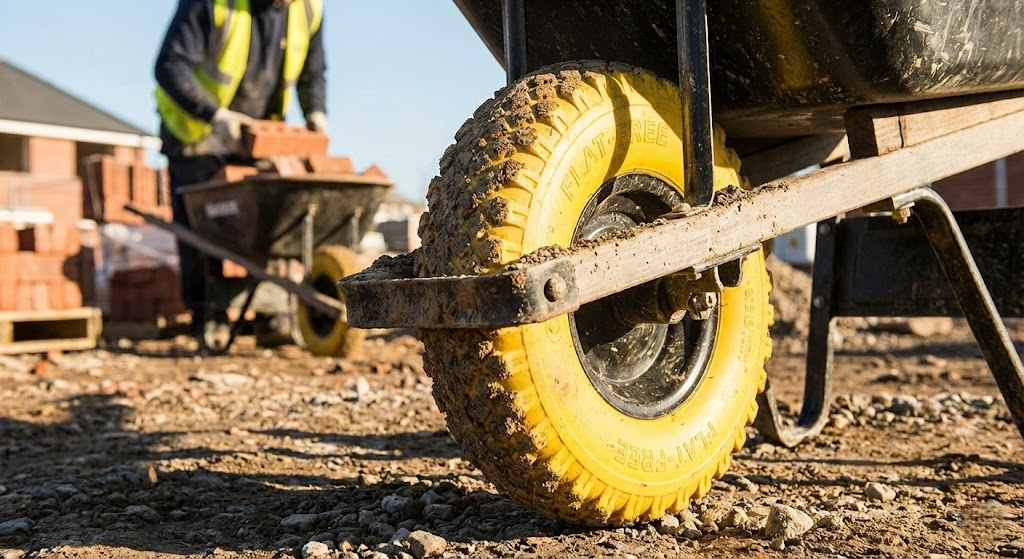
Tire Type: Pneumatic vs. Flat-Free
- Pneumatic (Air-filled): These offer the best cushioning and are easier to push over gravel or rough terrain. However, they require maintenance and can puncture.
- Flat-Free (Solid): These will never pop, which is great for construction sites with nails or thorns, but they can be bumpier on uneven ground.
Tub Material: Steel vs. Poly
- Poly (Plastic): Lighter, rust-proof, and quieter. Ideal for gardening, mulch, and compost.
- Steel: Heavier and more durable. Best for rocks, bricks, and concrete, though it is prone to rust if not stored properly.
Dumping Mechanism
Since you cannot simply “tip” a stable three-wheel barrow sideways like a single-wheeler, look for models with a dump feature. Many modern carts have a quick-release handle that tilts the tub vertically to empty the load while the wheels stay planted.
Popular Product Categories
Based on current market trends, three-wheel barrows generally fall into two main categories:
1. The “Zero-Turn” Garden Cart These are manual push carts with large rear wheels and a smaller front swivel wheel (or vice versa). They are perfect for tight garden paths where you need to spin 180 degrees in a small radius.
2. Motorized Electric Barrows For heavy-duty work, electric three-wheel barrows are becoming increasingly popular. These battery-powered workhorses do the pushing for you. They are often used on construction sites or hilly properties where pushing a 200lb load uphill is not feasible manually.
Frequently Asked Questions (Related Searches)
Q: Is a 3-wheel barrow better than a 2-wheel cart? A: It depends on maneuverability. A 2-wheel cart is stable but has a wide turning radius. A 3-wheel barrow with a swivel caster offers the stability of a cart with the agility of a wheelbarrow.
Q: Can I convert my old wheelbarrow into a 3-wheeler? A: Yes, there are “stabilizer kits” available that attach training wheels to the rear legs of a standard wheelbarrow, effectively turning it into a 3-wheel unit.
Q: How much weight can they hold? A: Most residential 3-wheel carts can hold between 300 to 600 lbs, while heavy-duty commercial versions can handle upwards of 1,000 lbs.
Final Verdict
The three-wheel barrow is more than just a garden tool; it is an investment in your physical health and efficiency. By removing the need to balance the load, you turn a strenuous chore into a simple walk in the park. Whether you choose a manual poly cart or a motorized steel beast, the upgrade from one wheel to three is one you won’t regret.