
Gardening is one of the most rewarding hobbies you can share with your children. It teaches patience, responsibility, and the magic of nature. But let’s be honest—most kids just want to dig in the dirt and move things around. That is where a wheelbarrow for kids becomes the ultimate outdoor toy.
Whether you have a budding landscaper who wants to help with the chores or a toddler who loves transporting their teddy bears across the lawn, finding the right wheelbarrow can turn backyard play into a developmental milestone. In this guide, we’ll explore why every child needs one, how to choose the best model, and our top picks for the year.
Why Buy a Wheelbarrow for Kids?
Informational Section
A toy wheelbarrow is more than just a miniature version of the adult tool; it is a powerhouse for physical and cognitive development.
1. Developing Gross Motor Skills
Pushing a wheelbarrow requires a unique combination of balance, coordination, and strength. When a child lifts the handles, they engage their core and arm muscles. Pushing it forward while keeping it steady refines their gross motor skills and improves their sense of balance.
2. Encouraging Responsibility
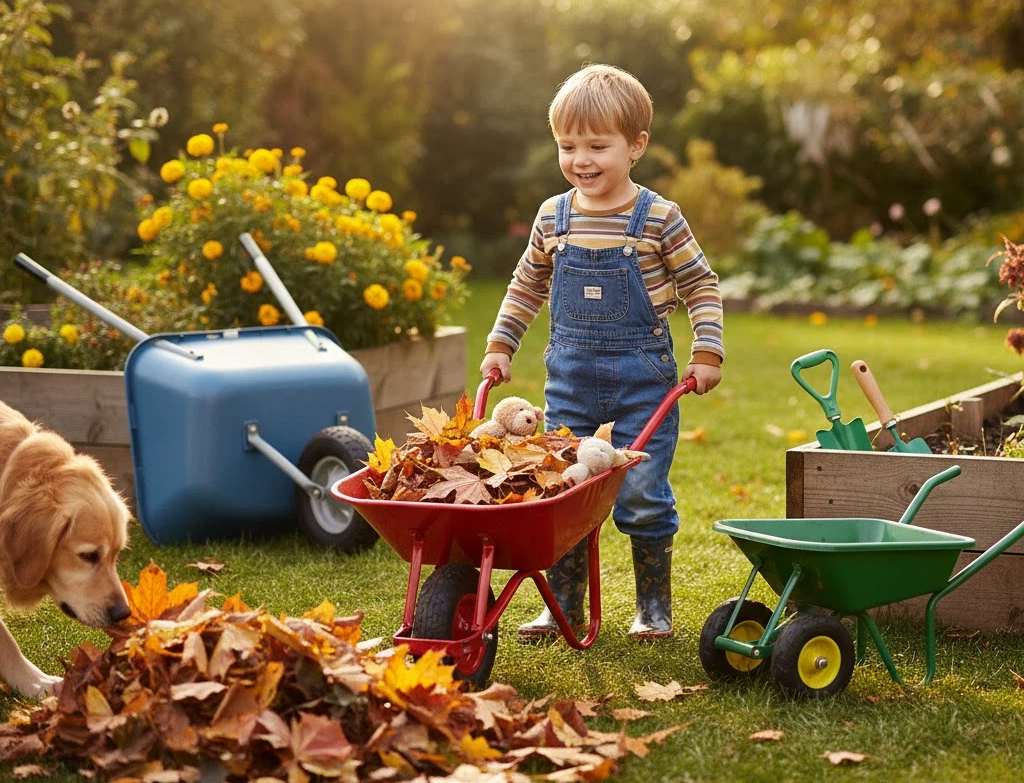
Children love to mimic adults. Giving them a “real” job, like moving leaves to the compost pile or transporting soil to a new flower bed, instills a sense of ownership and contribution. It transforms a chore into a game where they are the helpful hero.
3. Sparking Imaginative Play
A wheelbarrow isn’t always for gardening. One day it’s a construction truck dumping gravel at a building site; the next, it’s a wagon for a stuffed animal parade. This open-ended play is crucial for creative thinking.
How to Choose the Right Kids’ Wheelbarrow
Buying Guide
Before you click “buy,” there are a few key features to consider to ensure safety and longevity.
- Material:
- Metal/Steel: These are the most durable and realistic. They are great for older kids (ages 3+) who actually want to haul dirt or rocks. Look for “seamless steel” trays to avoid sharp edges.
- Plastic/Poly: Best for toddlers. They are lightweight, rust-proof, and easy to clean. They won’t dent if left out in the rain, but they hold less weight.
- Number of Wheels:
- Single Wheel: The classic design. It offers better maneuverability but requires more balance. Ideal for children 4 years and up.
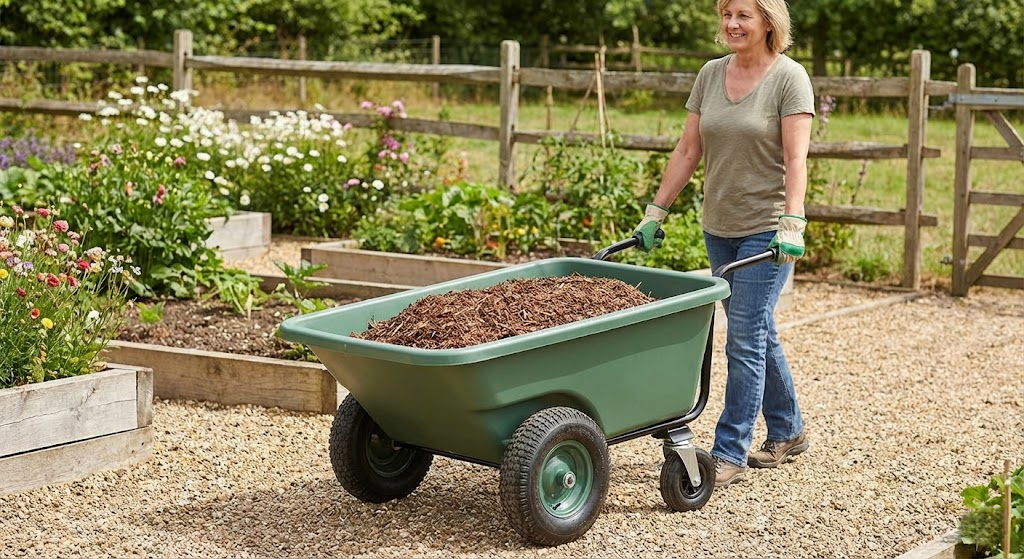
- Two Wheels: These offer maximum stability and are unlikely to tip over. This is the best choice for toddlers or younger children just learning to walk and push.
- Handle Grip: Look for rubberized or molded grips that fit small hands. Metal handles without grips can be slippery and cold.
Popular Products: Top Picks for Every Little Gardener
Transactional Section & Reviews
Based on durability, safety, and fun factor, here are the top categories of wheelbarrows for kids currently on the market.
1. The Heavy-Duty Classic (Best Overall)
Ideal for: Ages 3-7
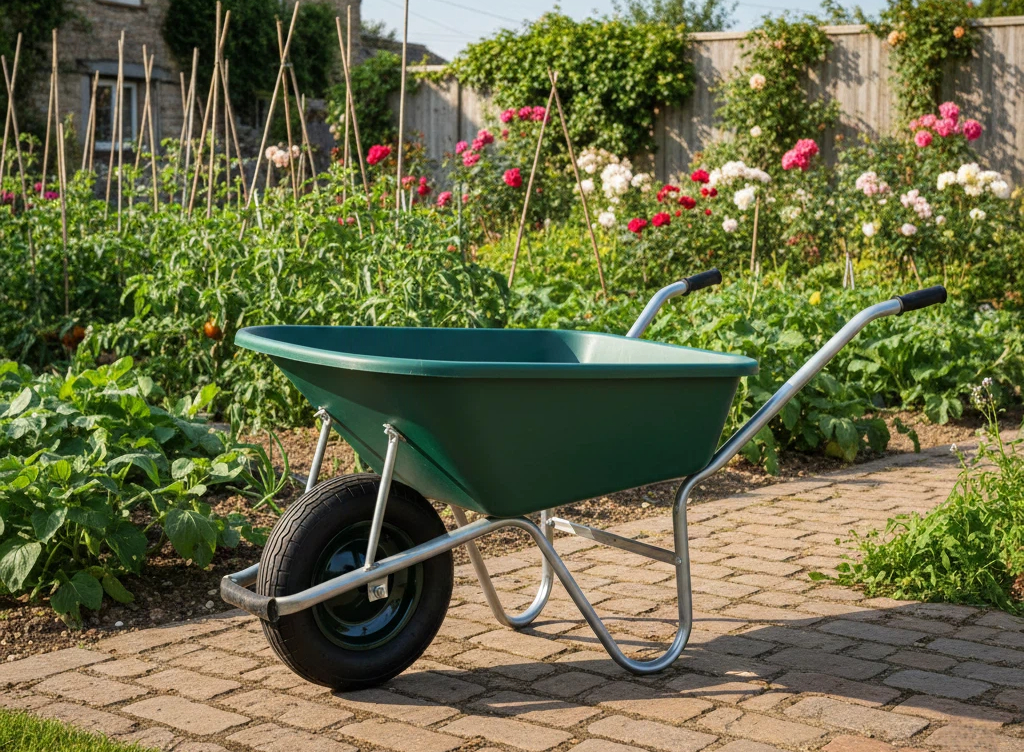
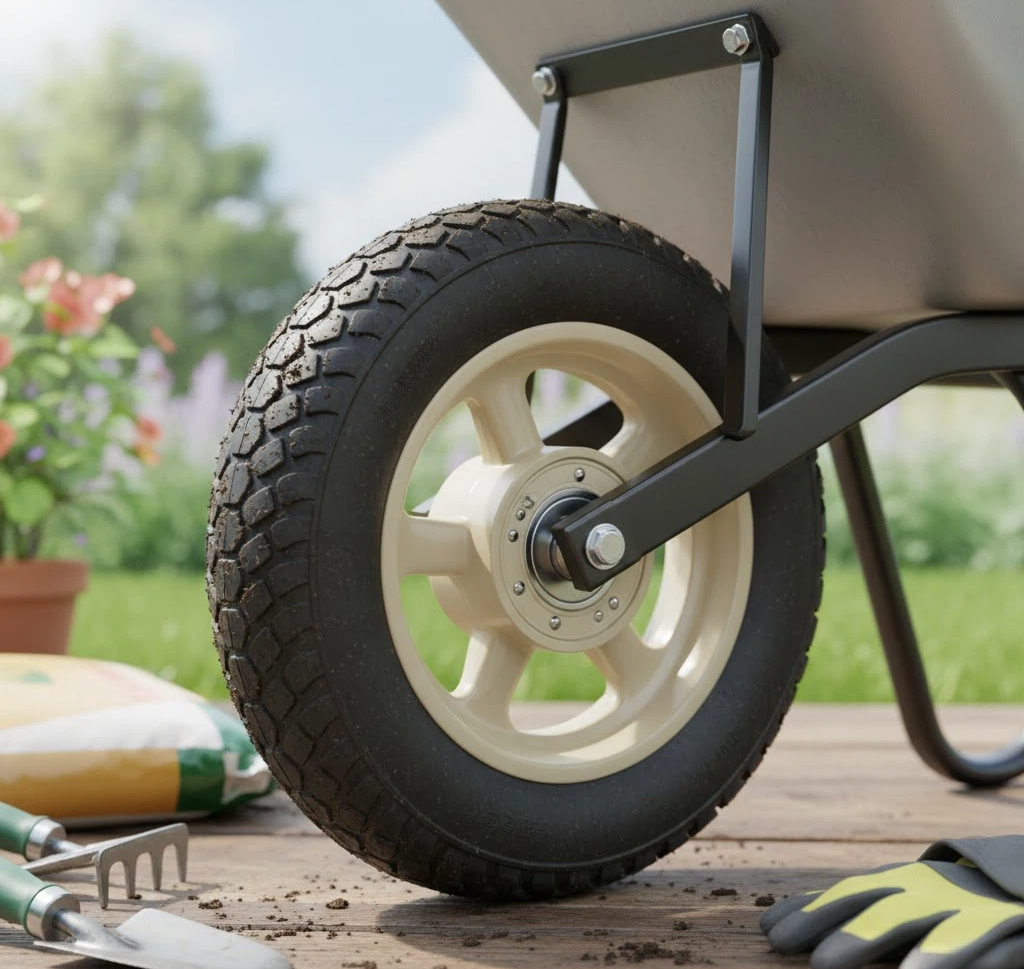
If you want a wheelbarrow for kids that functions exactly like yours, a steel tray model is the way to go. These typically feature a real rubber tire (pneumatic) which rolls smoothly over grass and gravel.
- Pros: Can carry real loads (dirt, woodchips); extremely durable; looks authentic.
- Cons: Heavier to push; requires maintenance (keeping the tire inflated and preventing rust).
2. The Toddler Stability Rover (Best for Beginners)
Ideal for: Ages 18 months – 3 years
For the youngest gardeners, a two-wheeled plastic design is superior. These often have a lower center of gravity, meaning they won’t tip over when your toddler stops to inspect a bug.
- Pros: Very stable; lightweight; no sharp edges; often made of durable, fade-resistant plastic.
- Cons: Not suitable for heavy hauling; wheels are usually plastic rather than rubber.
3. The Complete Gardening Set
Ideal for: Gift Giving
Many brands offer a toy wheelbarrow bundled with matching tools—a shovel, rake, and hoe. These are fantastic for getting a child started immediately.
- Pros: Great value; ensures tools are the right size for kids; encourages immediate play.
- Cons: The included tools are sometimes less durable than the wheelbarrow itself.
Frequently Asked Questions (FAQ)
People Also Ask
What age is appropriate for a kids’ wheelbarrow? Most manufacturers recommend plastic two-wheeled models for ages 18 months to 3 years. Single-wheel metal versions are generally better for children aged 3 to 7 years who have better balance.
Are metal or plastic wheelbarrows better for kids? It depends on the use. If your child wants to help with actual gardening (moving soil/rocks), metal is better because it is stronger. If it is strictly for play or storing toys, plastic is safer and lighter.
Can I leave a toy wheelbarrow outside? Plastic wheelbarrows are weather-resistant and can usually be left outside. Metal wheelbarrows should be stored in a shed or garage to prevent the tray from rusting and the wooden handles from weathering.
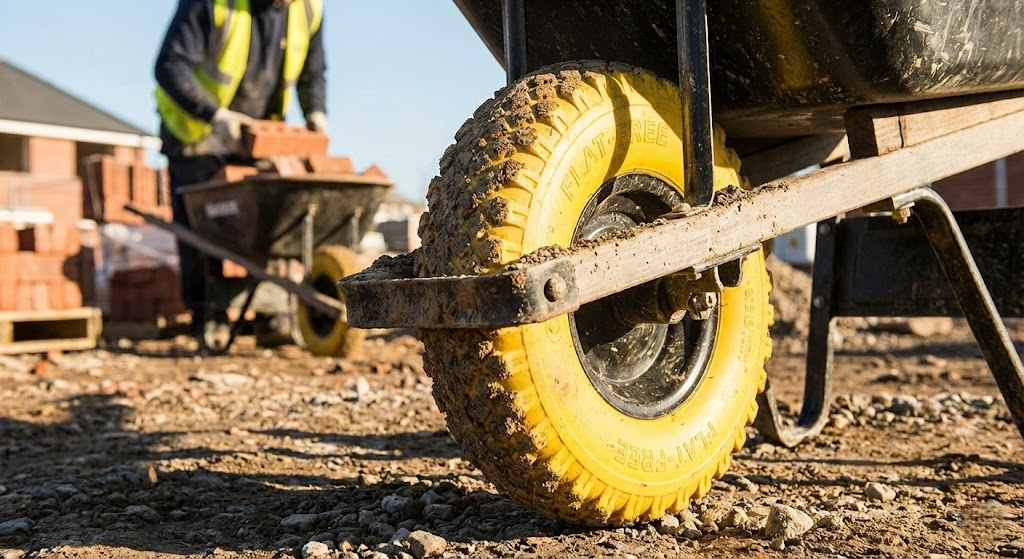
Do I need a pneumatic (air-filled) tire? For “real” work, yes. A pneumatic tire absorbs bumps and makes pushing heavy loads easier. However, solid plastic or foam wheels are maintenance-free and won’t go flat, which is a bonus for busy parents.
Final Thoughts
Investing in a wheelbarrow for kids is an investment in your child’s physical health and connection to the outdoors. Whether they are hauling autumn leaves or their favorite toys, they are building skills that will last a lifetime. When choosing, just remember to match the size and stability of the wheelbarrow to your child’s age to keep the frustration low and the fun high.
Happy gardening!