There is something undeniably captivating about an antique wheelbarrow wheel. Whether it’s the rugged industrial look of cast iron spokes or the weathered charm of a wooden rim, these artifacts tell a story of labor, history, and craftsmanship.
If you’ve stumbled upon an old wheel in a barn or are hunting for the perfect rustic garden accent, you’ve come to the right place. In this guide, we’ll cover everything you need to know—from identifying authentic wheels to valuing them and restoring them for modern decor.

1. Identification & History
Before you buy or sell, you need to know what you are looking at. Antique wheelbarrow wheels generally fall into two main categories, each with distinct historical markers.
Cast Iron & Steel Wheels (Late 19th – Early 20th Century)
These are the most common finds and are highly sought after for industrial decor.
- The Spokes: Look for 8 or 10 spokes. Earlier models often have “staggered” spokes (where the spokes enter the hub at slightly different depths) to add strength.
- The Hub: Authentic antique iron wheels often have a heavy, protruding hub designed to hold a greased axle. Check for manufacturer marks or patent dates cast directly into the metal.
- The Rim: Run your hand along the rim. Early iron wheels are often flat and wide (to prevent sinking in mud), whereas later “vintage” models from the 1930s might start resembling modern narrow rims.
Wooden Wheels (Mid-19th Century & Earlier)
These are rarer and often more fragile.
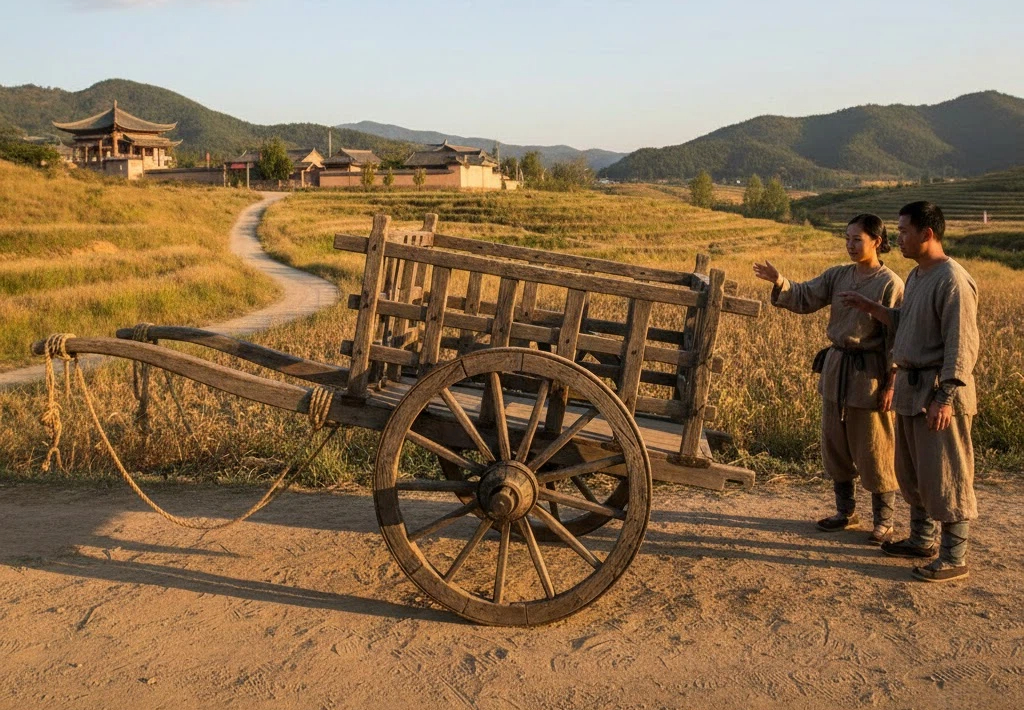
- Construction: True antique wooden wheels are feats of joinery, often bound by an iron “tire” (a metal strip wrapped around the wood).
- Wear Patterns: Look for uneven wear on the wood. A perfectly round wooden wheel is likely a modern reproduction.
Pro Tip: If you see a rubber tire on a wooden rim, it is likely a “transitional” piece from the 1920s-40s, or a later reproduction meant to look old.
2. Value & Buying Guide
Interest in these wheels is split between serious collectors and home decorators, which drives the price. Here is what you can generally expect to pay (or charge) in the current market.
Current Market Value Estimates
- Iron Spoke Wheels (Common): $35 – $75. These are readily available on sites like eBay and Etsy. Condition matters less here; surface rust is often seen as a “plus” for decor.
- Signed/Patented Iron Wheels: $80 – $150+. If the wheel has a clear foundry mark (e.g., “Studebaker,” “Deere,” or specific ironworks), the value jumps significantly.
- Authentic Wooden Wheels: $100 – $300+. Value depends heavily on the condition of the wood. Rot is the enemy here; a solid, non-worm-eaten wooden wheel is a rare find.
Where to Buy
- Flea Markets & Barn Sales: Often the cheapest source. You can often find them for under $20 if you are willing to dig.
- Online Marketplaces: You will pay a premium for shipping due to the weight, but the selection is better.
- Architectural Salvage Yards: Great for finding matched pairs if you are building a cart or coffee table.
3. Visual Inspiration & Popular Styles
Most people searching for these wheels want to see how to use them. If you are selling, ensure your photos match these popular aesthetics. If you are buying, here is what is trending:
- The “Garden Planter” Look: A single iron wheel propped against a stone wall, overgrown with ivy or holding a hanging basket.
- The Industrial Coffee Table: Two antique iron wheels used as the legs for a reclaimed wood coffee table. This is a massive trend in farmhouse interior design.
- The “Gate” Accent: Embedding a large antique wheel into a wooden garden gate as a viewing window.
4. Restoration & DIY
If you are looking to restore a rusty find, follow this simple process to preserve the history without ruining the value.
For Iron Wheels (Preserving Patina)
- Clean: Scrub with a stiff wire brush to remove loose rust and dirt. Do not sand it down to bare metal if you want to keep the antique look.
- Seal: Apply a coat of boiled linseed oil or a clear matte enamel. This darkens the rust to a rich, warm brown and prevents corrosion.
- Lubricate: If you plan to use it (e.g., on a functional garden cart), soak the axle hub in penetrating oil (like PB Blaster) for 24 hours before trying to turn it.
For Wooden Wheels (Stabilization)
- Treat for Pests: Ensure there are no active woodworms. Treating with a borate solution is a good safety measure.
- Condition: Dry rot is common. Feed the wood with a penetrating wood hardener or a mix of turpentine and linseed oil to bulk up the fibers without altering the color too drastically.
Final Thoughts
Whether you are hunting for a quick flip or a piece of history for your garden, antique wheelbarrow wheels are a solid investment. They bridge the gap between rustic farm tools and modern industrial art, ensuring they won’t go out of style anytime soon.
Have you found a wheel and need help identifying it? Leave a comment below describing the spoke pattern!