
If you have ever struggled to tip a heavy load of wet mulch or rocks out of a traditional wheelbarrow, you know the strain it places on your back and arms. The “dump wheelbarrow”—often referred to as a garden dump cart or utility cart with a dumping mechanism—has become a game-changer for homeowners and landscapers alike.
Unlike the classic single-wheel design that requires a precarious balancing act, dump wheelbarrows are designed for stability and ease of unloading. Whether you are looking for an informational breakdown of how they work or a transactional guide on which one to buy, this post covers everything you need to upgrade your gardening gear.
What is a Dump Wheelbarrow?
A dump wheelbarrow is a hybrid tool that combines the hauling capacity of a wagon with the functionality of a wheelbarrow. Its defining feature is the quick-release dumping mechanism.
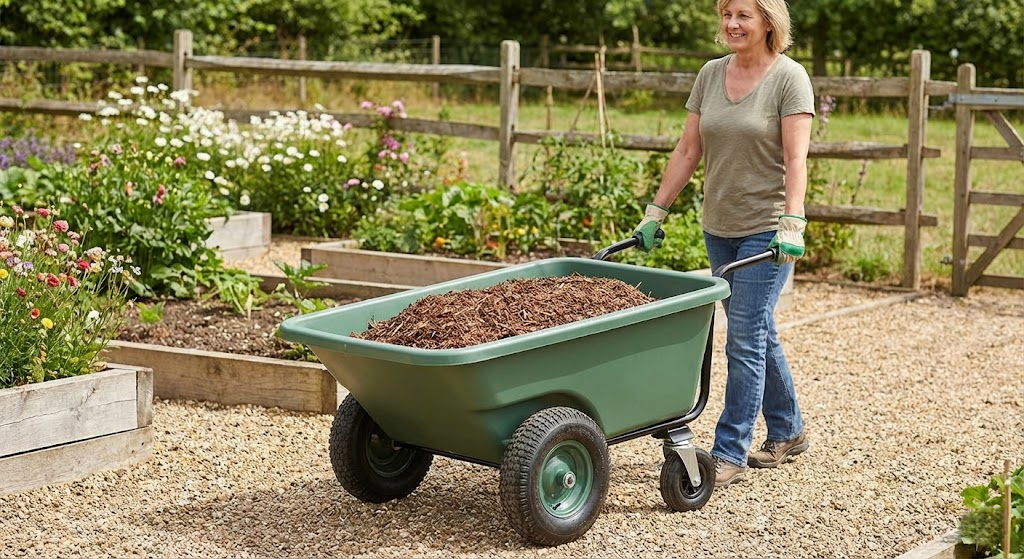
Instead of lifting the entire handles to tilt the basin (as you would with a standard barrow), a dump cart usually sits on four wheels. You simply pull a latch or handle, and the bed tips backward to unload the contents while the wheels stay firmly planted on the ground. This design significantly reduces the physical effort required to move soil, gravel, firewood, or debris.
Dump Wheelbarrow vs. Standard Wheelbarrow: The Key Differences
When deciding between a traditional wheelbarrow and a dump cart, consider these factors:
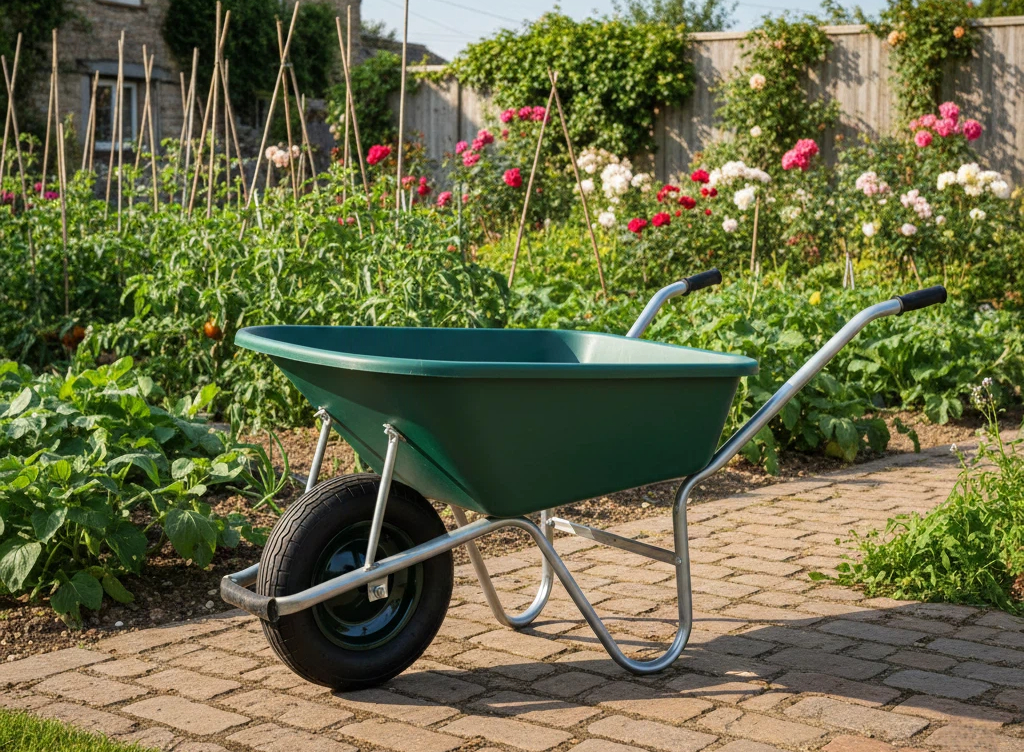
- Stability: Standard wheelbarrows rely on a single front wheel (or sometimes two), making them prone to tipping on uneven ground. Dump wheelbarrows typically use a four-wheel chassis, offering superior stability on hills and rough terrain.
- Maneuverability: A single-wheel barrow is more agile in tight corners or narrow garden paths. Dump carts have a wider turning radius but are easier to pull over long distances.
- Dumping Ease: This is the main selling point. A standard barrow requires you to lift about half the load’s weight to dump it. A dump cart’s pivoting bed allows you to unload heavy materials with almost zero lifting.
- Capacity: Dump carts often have higher weight capacities (ranging from 600 lbs to 1,200 lbs) compared to the 300-500 lb limit of a typical residential wheelbarrow.
Top Benefits of Using a Dump Cart
- Reduced Back Strain: The pull-handle design allows you to tow the weight rather than carry it. The dumping feature saves your lower back from the “lift and twist” motion.
- Versatility: Many dump wheelbarrows feature removable sides, allowing you to convert the tub into a flatbed for hauling oversized items like bags of concrete, fence posts, or large potted plants.
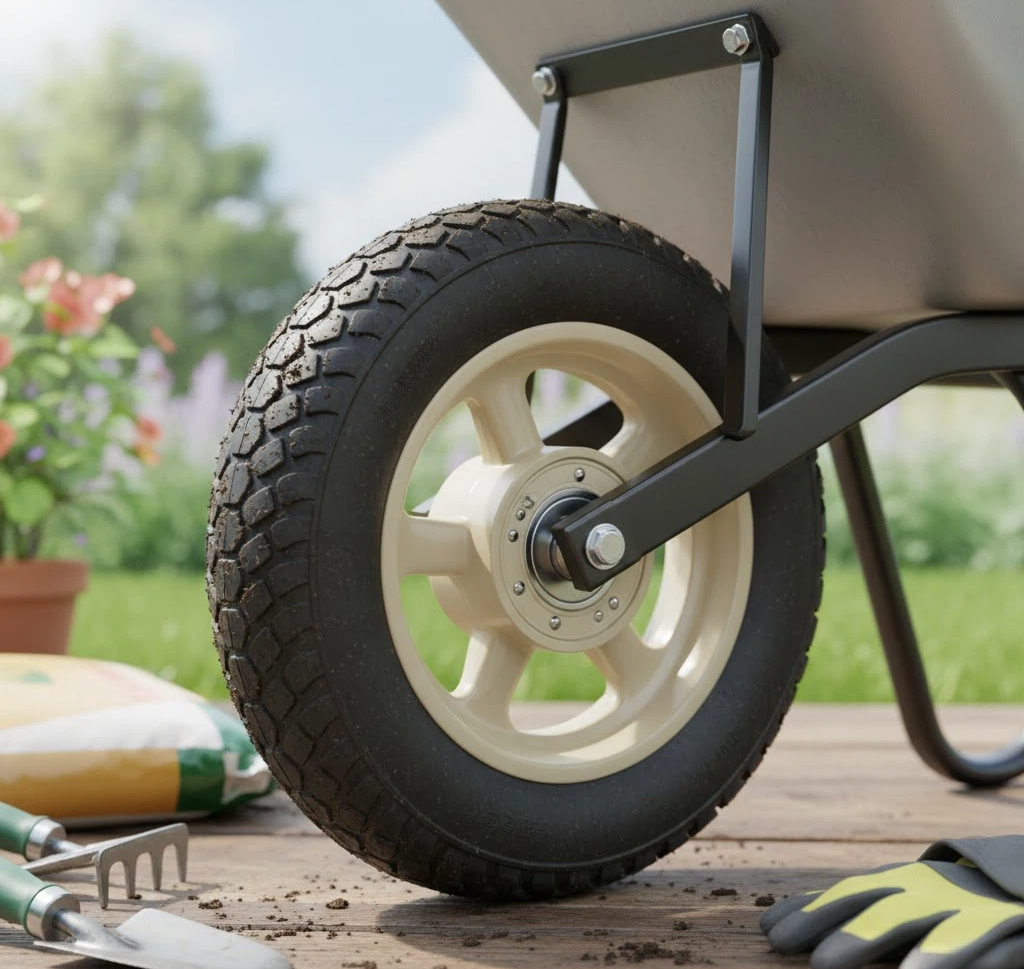
- Heavy-Duty Hauling: With robust pneumatic tires, these carts can handle rocky soil, mud, and gravel without getting stuck or bogged down.
Types of Dump Wheelbarrows
To choose the right model, you need to know what materials are available:
1. Poly (Plastic) Dump Carts These are the most popular choice for residential use. They are lightweight, rust-proof, and easy to clean.
- Best for: Mulch, compost, weeds, and general yard waste.
- Pros: Weather-resistant, quieter operation.
- Cons: Can crack if overloaded with heavy rocks in freezing temperatures.
2. Steel Dump Carts Built for heavy-duty work, steel carts are durable and rigid.
- Best for: Rocks, bricks, firewood, and construction debris.
- Pros: Extremely strong, removable sides are common.
- Cons: Susceptible to rust if not stored properly; heavier to pull.
3. Electric/Motorized Dump Wheelbarrows For those with large properties or mobility issues, motorized wheelbarrows do the pushing for you. They often feature a powered dump assist.
- Best for: Steep hills, very heavy loads (500+ lbs), and commercial use.
- Pros: Zero physical strain, high torque for inclines.
- Cons: Significantly more expensive; requires battery maintenance.
Buyer’s Guide: Features to Look For
Before you make a purchase, check these specifications to ensure the cart meets your specific needs.
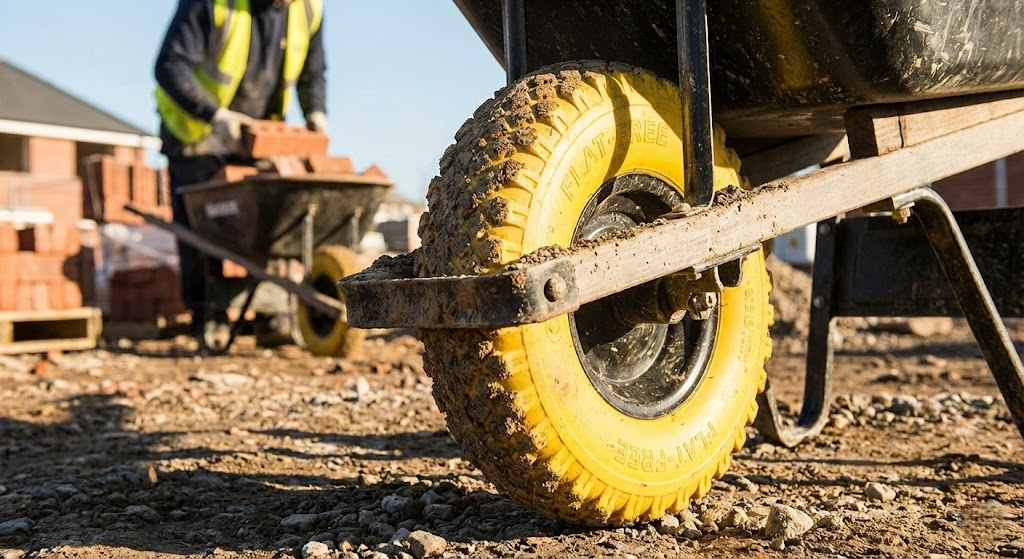
- Tires: Look for 10-inch to 13-inch pneumatic (air-filled) tires for the best shock absorption on bumpy lawns. Flat-free tires are a good low-maintenance alternative if you work around thorns or nails.
- Load Capacity: For light gardening, a 600-lb capacity is sufficient. For landscaping projects involving stone or lumber, look for a cart rated for at least 1,000 lbs.
- Handle Design: A convertible handle is a massive plus. Some handles can be swapped from a “pull” handle (for hand use) to a hitch allowing you to tow the cart behind a lawn tractor or ATV.
- Bed Size: Check the cubic footage. A 4-cubic-foot bed is standard for small yards, while 7 to 10 cubic feet is better for farm use or large estates.
Conclusion
If your gardening projects are becoming a pain in the back, it might be time to retire the rusty single-wheel barrow. A dump wheelbarrow offers the perfect blend of capacity and convenience, making it easier to transport heavy materials without the risk of tipping or injury.
For most homeowners, a poly dump cart with a 600-1,000 lb capacity is the “sweet spot”—versatile enough for weeding but tough enough for a weekend landscaping project. By choosing the right tool for the job, you can spend less energy hauling and more time enjoying your outdoor space.