
If you are tackling a weekend landscaping project or finally clearing out that backyard debris, you’ve likely come across the Anvil wheelbarrow at your local hardware store. With its attractive price point and lightweight design, it’s a tempting option for homeowners.
But can a budget-friendly poly wheelbarrow really hold up to the rigors of gardening? In this comprehensive review, we’ll break down the features, assembly process, and real-world performance of the Anvil wheelbarrow to help you decide if it’s the right tool for your shed.
Overview: What is the Anvil Wheelbarrow?
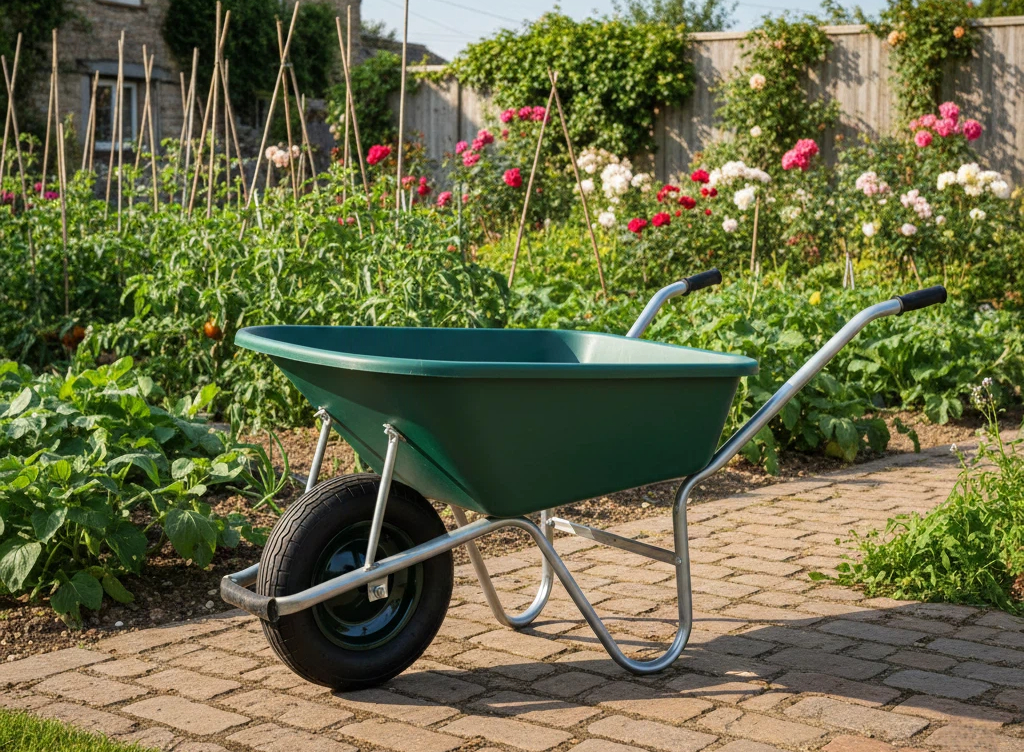
The Anvil brand (exclusive to Home Depot) is known for providing entry-level tools for DIYers. The Anvil 4 cu. ft. Poly Wheelbarrow is their flagship model for light-duty residential use. Unlike heavy contractor-grade steel barrows, this tool is designed with a focus on maneuverability and rust resistance.
Quick Specs:
- Capacity: 4 cubic feet
- Tray Material: Poly (Rust-proof plastic)
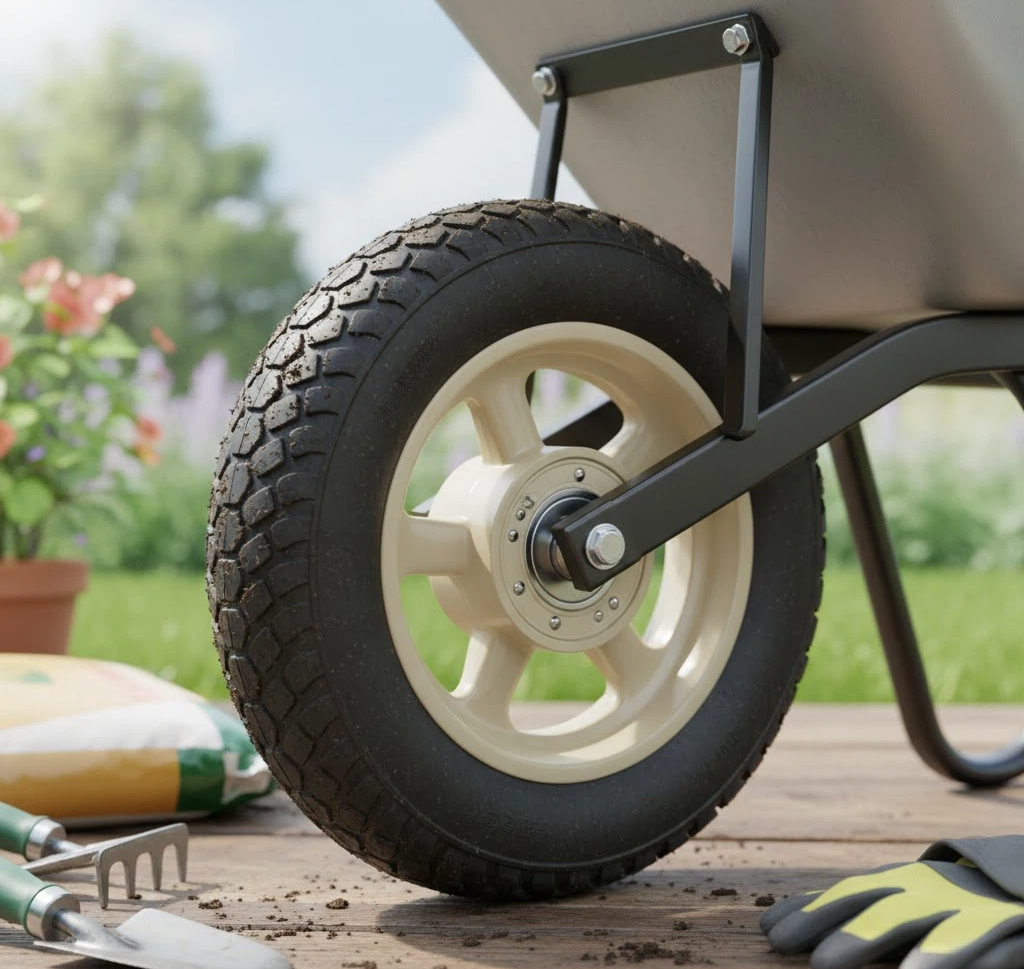
- Wheel Type: Pneumatic (Air-filled)
- Handle Material: Hardwood
- Weight: Approx. 22 lbs (Lightweight)
Pro Tip: Because the tray is made of poly (plastic), it is immune to the rust that plagues steel wheelbarrows, making it ideal for storing outdoors or in damp sheds.
Key Features and Benefits
When you look at the anvil wheelbarrow features, it becomes clear that this tool is built for the “weekend warrior” rather than the professional mason.
1. Lightweight Maneuverability
One of the biggest selling points is how light it is. You can easily lift it into the back of a truck or hang it on a garage wall. For moving mulch, leaves, and weeding debris, the low weight reduces fatigue significantly.
2. Corrosion-Resistant Tray
The poly tray is a huge advantage for wet climates. You can hose it out after mixing soil or carrying wet compost without worrying about oxidation.
3. Pneumatic Tire for Uneven Terrain
The air-filled tire provides a cushion that helps the barrow roll over tree roots and rocks more smoothly than a solid plastic wheel would.
Assembly Guide: Putting It Together
One of the most common questions we see online is, “How hard is it to assemble?” The Anvil wheelbarrow comes disassembled, but the process is straightforward if you have a wrench and a screwdriver.
Step-by-Step Breakdown:
- Tray Prep: Flip the poly tray upside down.
- Handle Attachment: Align the wooden handles with the pre-drilled holes. Note: Do not tighten the bolts fully until the end.
- Leg Assembly: Attach the metal legs and the leg brace.
- Wheel Installation: Slide the axle through the wheel and attach the brackets to the handles.
- Final Tightening: Once everything is aligned, tighten all bolts securely.
Watch This: For a visual walkthrough, we recommend checking out this [Placeholder for Embedded YouTube Video: “Anvil Wheelbarrow Assembly Guide”] which covers the process in under 10 minutes.
Real-World Performance: The Good and The Bad
We analyzed dozens of customer reviews and tested the load capacity to give you an honest verdict.
Where it Shines (The Pros)
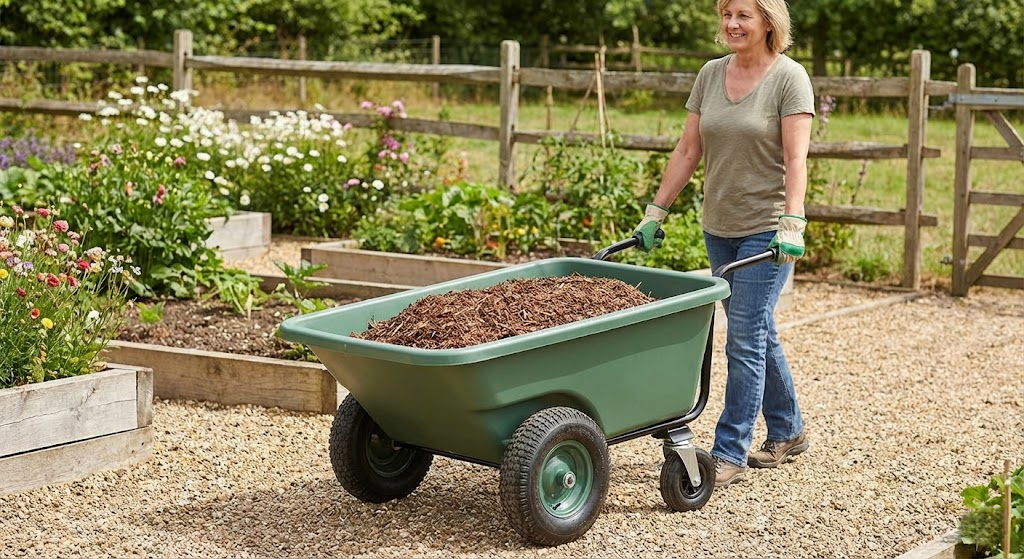
- Mulch and Soil: It handles 4 cubic feet of mulch with ease. The deep tray shape keeps loose material contained.
- Price: It is often half the price of a Jackson or True Temper steel wheelbarrow.
- Ergonomics: The wood handles provide a classic grip that absorbs some vibration.
Where it Struggles (The Cons)
- Heavy Rocks: If you load this with jagged concrete or heavy granite rocks, the poly tray may flex or crack.
- Tire Issues: Like many budget tools, the stock tire may need air frequently. We recommend keeping a bicycle pump handy.
- Handle Durability: The wooden handles are sufficient for light loads but can snap if you try to leverage a load that is too heavy (over 200 lbs).
| Feature | Rating | Notes |
| Durability | 3/5 | Good for plastic, but not for heavy construction. |
| Assembly | 4/5 | Simple, but requires your own tools. |
| Value | 5/5 | Hard to beat at this price point. |
Comparison: Anvil vs. The Competition
Anvil vs. Jackson Steel Wheelbarrow:
If you are mixing concrete or hauling bricks, spend the extra money on a Jackson steel wheelbarrow. The steel tray won’t crack under impact, though it is much heavier to push.
Anvil vs. Gorilla Carts:
If you have back issues, consider a Gorilla Cart (4-wheel garden cart). They are more stable and don’t require balancing, but they are harder to dump precisely than the Anvil wheelbarrow.
Frequently Asked Questions (FAQ)
1. Can the Anvil wheelbarrow hold concrete? While you can mix small batches of concrete in it, we don’t recommend it for hauling cured concrete chunks. The sharp edges can puncture the poly tray.
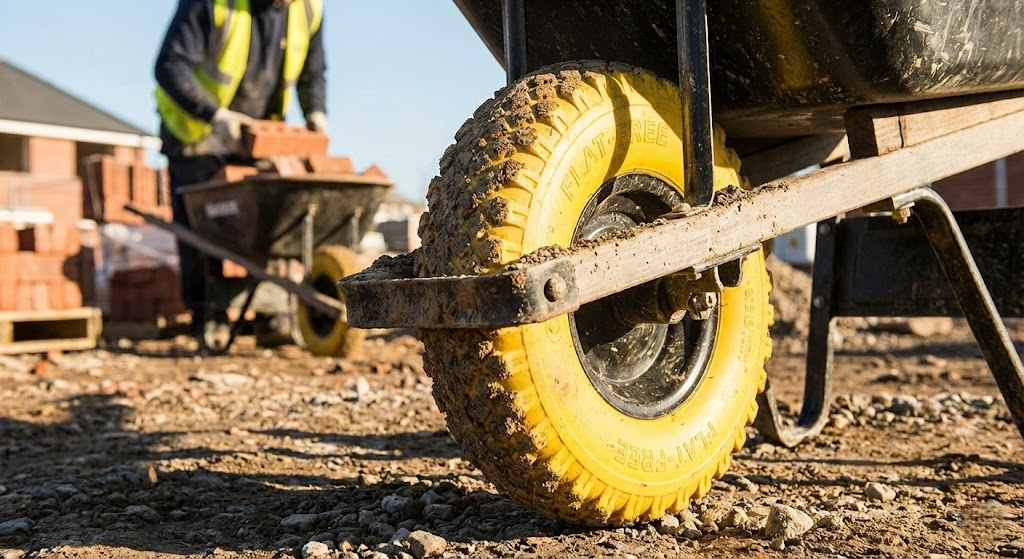
2. Is the Anvil wheelbarrow tire flat-free? No, the standard model comes with a pneumatic (air-filled) tire. You can purchase a flat-free replacement wheel separately if you have a lot of thorns in your yard. [Link: Shop Flat-Free Wheelbarrow Tires]
3. Where can I buy replacement parts for my Anvil wheelbarrow? Since Anvil is a Home Depot brand, you can typically find replacement handles, trays, and hardware kits directly through their website or in-store.
Final Verdict
The Anvil wheelbarrow is the perfect companion for the casual gardener. It excels at moving mulch, soil, and yard waste without breaking the bank or your back. However, if you are planning a major hardscaping renovation involving heavy stone, you might want to upgrade to a steel model.
Ready to start your garden project?