Introduction
Selecting the right hand trolley or wheelbarrow is more than just picking a tool; it is an investment in safety, efficiency, and durability. For industries like construction, logistics, warehousing, and even gardening, having the right equipment reduces manual strain, speeds up operations, and lowers replacement costs.
As one of the world’s largest manufacturers in this sector, Qingdao Taifa Group Co., Ltd. has built a reputation for producing over 3,000 product models, including wheelbarrows, hand trolleys, platform trucks, and tool carts. With more than four decades of experience, Taifa provides equipment trusted by professionals worldwide.
This buyer’s guide will walk you through the essential factors to consider when purchasing a wheelbarrow or hand trolley, ensuring you make the right choice for your business or project.
1. Start with Load Capacity and Volume
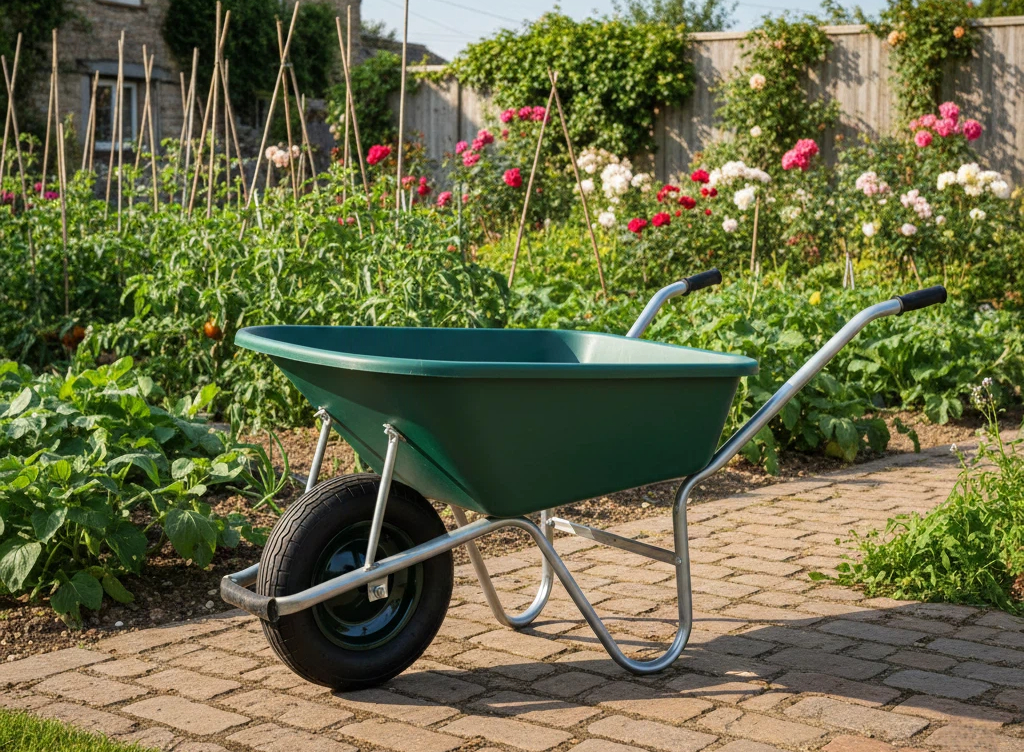
The first step in choosing a wheelbarrow or hand trolley is knowing how much weight and volume you need to move. A product designed for light gardening use will not perform well on a construction site where heavy materials are transported daily. Always check both weight capacity and volume. A wheelbarrow with a larger tray is perfect for loose items like soil or gravel, while a narrower design is more practical for bricks or solid cargo. For hand trolleys and platform trucks, measure the dimensions of your goods and ensure the base can support them comfortably.
2. Choose the Right Material
The material of your equipment directly influences durability and usability. Steel wheelbarrows and trolleys are exceptionally strong and built for heavy-duty use. They handle construction environments and industrial logistics with ease but may be heavier to maneuver. Aluminum provides a lighter alternative that is easier to handle and naturally resistant to rust, making it ideal for outdoor or wet environments. For lighter household or gardening tasks, plastic and composite materials are practical, low-maintenance, and resistant to corrosion. When you evaluate your usage scenario, the balance between strength, weight, and resistance to wear will guide you toward the right material.

3. Understand Wheel Types and Sizes
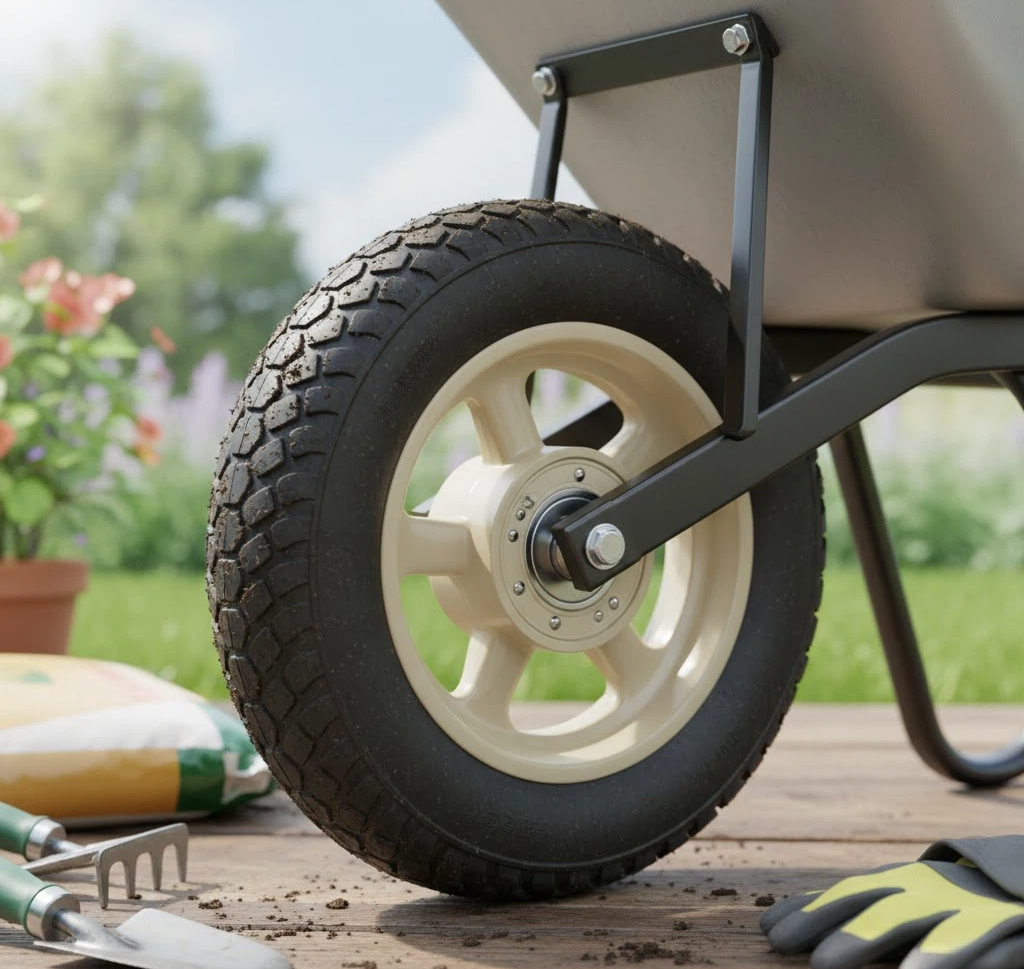
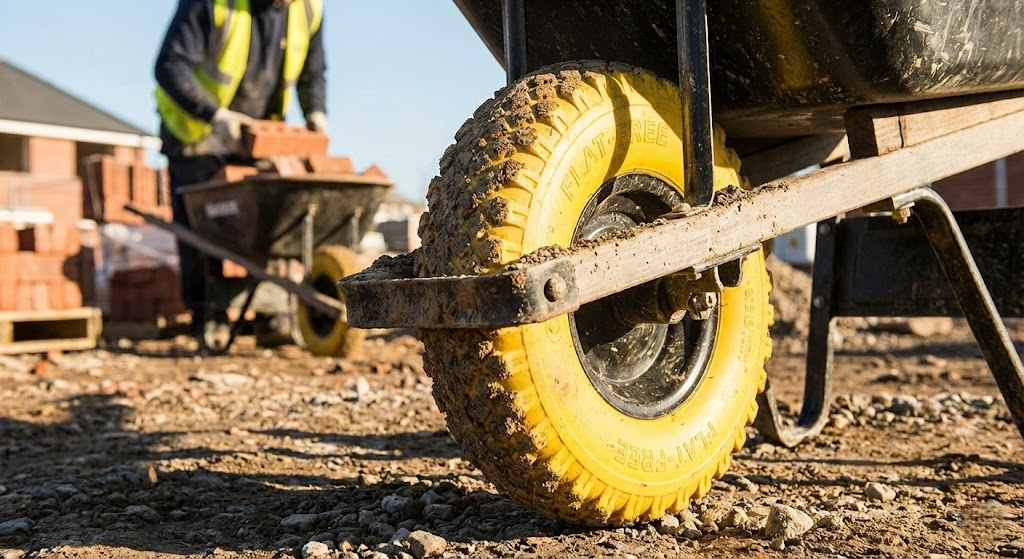
The performance of any hand trolley or wheelbarrow depends heavily on its wheels. Pneumatic wheels, which are filled with air, provide shock absorption and are best suited for uneven outdoor surfaces. They make it easier to push loads across construction sites or rough terrain. Solid rubber wheels, on the other hand, are maintenance-free and puncture-proof, which makes them the best choice for warehouses or smooth factory floors. There are also polyurethane and foam-filled options that combine comfort and durability while resisting chemicals. Wheel size is another factor. Larger wheels roll more easily over obstacles and rough ground, while smaller wheels are compact and convenient for indoor use.
4. Focus on Handle Design and Ergonomics
Handles are often overlooked but play a major role in safety and user comfort. Straight handles are common for wheelbarrows, giving firm and controlled movement, while loop handles or P-handles on hand trolleys make it easier to maneuver and tilt loads with one hand. The grip material also matters. Rubber-coated handles provide a non-slip, cushioned feel, reducing fatigue during long hours of use. A well-designed handle can prevent strain injuries and significantly improve efficiency in workplaces where trolleys are in constant operation.
5. Consider Special Features and Custom Options
Not all trolleys or wheelbarrows are built the same, and modern designs often include useful features that add convenience. Foldable frames save space in storage or transport. Convertible trolleys can switch between different positions, making them versatile for multiple uses. Braked casters add an extra layer of safety on slopes or during loading. For businesses, custom branding is another option. Manufacturers like Taifa provide OEM services, enabling clients to customize color, logo, and design features to strengthen brand identity while maintaining functionality.
6. Match the Product to the Environment
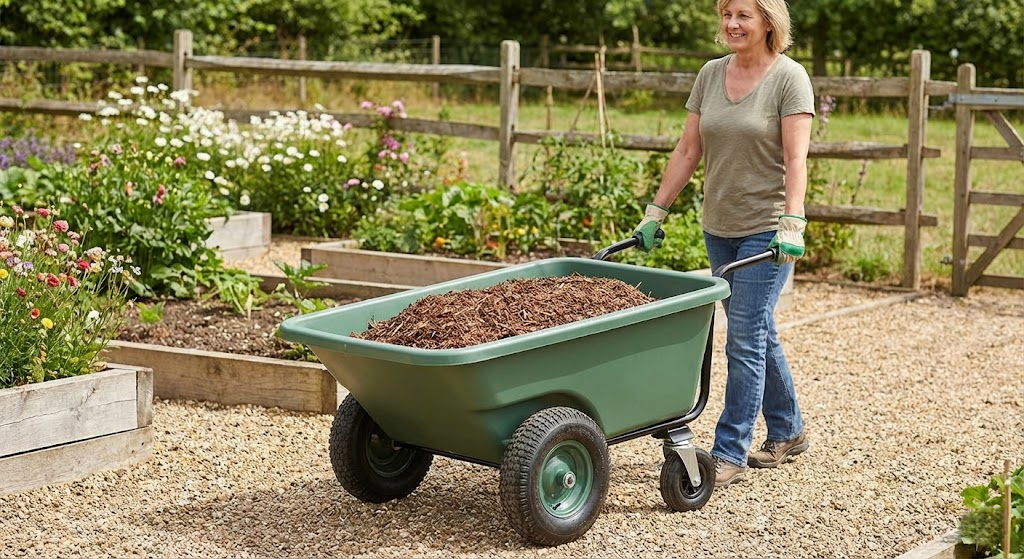
Where you plan to use your equipment is just as important as the product itself. For construction sites and outdoor work, heavy-duty steel frames and pneumatic wheels are essential to withstand demanding conditions. In warehouses and logistics centers, hand trolleys with solid rubber wheels offer smooth movement and minimal maintenance. For gardening or domestic projects, lightweight wheelbarrows with plastic trays and smaller wheels are often sufficient. Always match your equipment to the environment, because the wrong choice can lead to faster wear and higher costs.
7. Safety and Maintenance Practices
Even the best wheelbarrow or hand trolley needs care. Routine maintenance ensures long service life and safe performance. Avoid overloading the product beyond its rated capacity, as this causes premature damage. Inspect wheels and bearings regularly, tightening any loose fittings. If the steel frame becomes scratched, repaint the area to prevent rust. Pneumatic tires should be checked for proper air pressure before use, while solid wheels should be inspected for cracks. Storing your trolley or wheelbarrow indoors when not in use protects it from unnecessary exposure to weather conditions. Following these practices helps ensure your equipment works reliably for years.
8. Why Choose Taifa?
With over 40 years of expertise, Qingdao Taifa has become a global leader in manufacturing wheelbarrows, hand trolleys, platform trucks, and related accessories. The company integrates steel, rubber, and plastic production under one group, ensuring strict quality control at every stage. Its portfolio includes more than 3,000 models, each designed to meet the varied needs of international markets. Taifa products are certified for global standards and are trusted by customers in construction, agriculture, logistics, and retail sectors. Choosing Taifa means partnering with a company that values durability, efficiency, and long-term performance.
Conclusion
Selecting the right hand trolley or wheelbarrow is a process that requires attention to detail. By carefully considering load capacity, material, wheel type, handle design, and environment, you ensure that your equipment delivers both safety and efficiency. Routine maintenance further extends its life and keeps operations running smoothly.
For businesses and individuals looking for reliable solutions, Taifa offers one of the most extensive product ranges in the industry, backed by decades of experience and a reputation for quality. Explore the full catalogue at chinataifa.com